Noida Expressway to Get 1,200 New Solar Lights
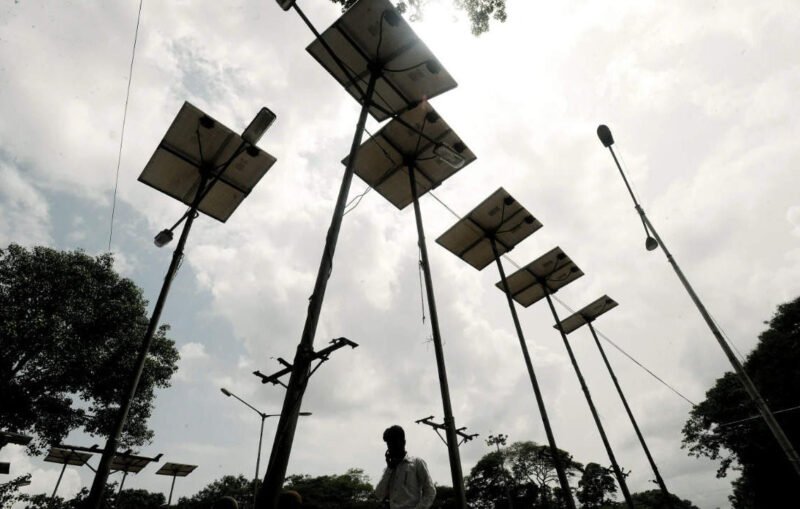
The Noida Authority has approved the installation of 1,200 new solar-powered streetlights along the Noida–Greater Noida Expressway as part of an effort to strengthen road safety, improve public infrastructure and promote sustainable urban development.
The project is aimed at addressing inadequate illumination on certain stretches of the expressway and ensuring better visibility for commuters during night hours. Solar-powered lighting will also provide greater resilience during interruptions in conventional electricity supply, thereby supporting uninterrupted public infrastructure services.
A key component of the initiative is a 2.4 MW Battery Energy Storage System (BESS). The storage facility is expected to help maintain lighting services when grid power is unavailable. The integration of renewable energy generation with battery storage represents a technology-driven approach towards improving the reliability and efficiency of urban utilities.
The project also focuses on enhancing the performance of existing streetlights by improving illumination levels. Better lighting infrastructure is expected to contribute to safer movement of vehicles, particularly during late-night hours, while supporting traffic management and overall commuter convenience.
The initiative forms part of Noida’s broader strategy to develop smart, energy-efficient and sustainable urban infrastructure. The adoption of solar technology can help reduce dependence on conventional grid electricity and support the wider transition towards cleaner energy solutions in public services.
In addition, technology-enabled monitoring and grievance-redressal mechanisms are being strengthened to improve streetlight maintenance. A mobile-based system allows residents to report faulty lights and enables authorities to monitor complaints, promoting greater accountability and responsiveness in municipal service delivery.
The deployment of 1,200 solar lights is therefore significant not only as an infrastructure expansion but also as a governance intervention combining renewable energy, road safety, digital monitoring and reliable public service delivery. The project is expected to enhance the quality of urban infrastructure while contributing to Noida’s long-term sustainability and smart-city objectives.