Delhi Plans Tehri Water Routing and Canal Repairs to Strengthen Yamuna Flow
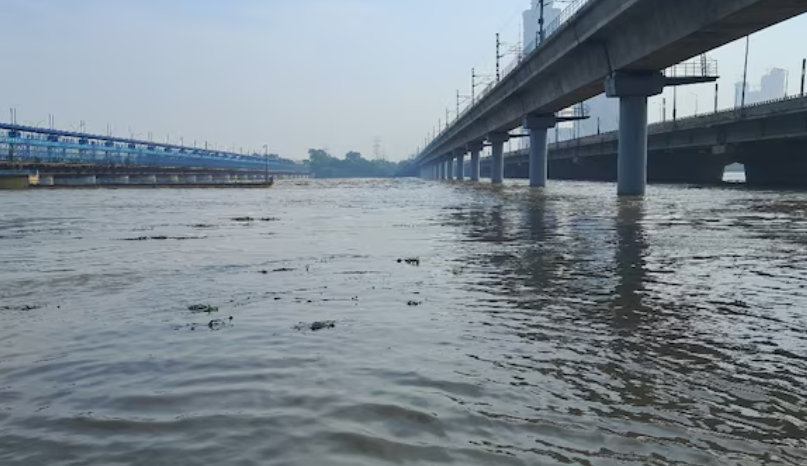
The Delhi government is working on a multi-pronged water management strategy aimed at strengthening the environmental flow of the Yamuna and reducing water losses in the canal network supplying the national capital. The proposed measures focus on improving water availability, strengthening transmission infrastructure and supporting the long-term rejuvenation of the river.
Under the plan, around 1,300 cusecs of additional water could be routed from the Tehri Dam reservoir towards the Yamuna through the Hindon River. The government is also examining a proposal to divert another 500 cusecs through a proposed 29-km pipeline, with the objective of making about 1,800 cusecs of water available at the Okhla Barrage.
Alongside augmentation of river flow, authorities are focusing on reducing substantial transmission losses in the canal network. Delhi and Haryana officials have been working on measures to identify and repair leakage in the Delhi Sub-Branch Canal through which water is supplied to the capital. Officials have indicated that significant quantities of water are lost during transmission, making canal rehabilitation an important component of the strategy.
The Delhi Jal Board has issued a letter of intent to WAPCOS for preparation of a detailed project report on the proposed water-routing plan. The report is expected to guide the government in assessing technical feasibility, infrastructure requirements and implementation mechanisms before the proposal is taken forward.
The initiative represents a broader governance approach that combines water augmentation, infrastructure efficiency and river restoration. Improving the reliability of canal systems can help conserve existing water resources, while additional regulated flows could support the Yamuna’s environmental needs.
However, increased flow alone may not be sufficient to restore the river’s ecological health. Recent assessments have indicated that pollution levels in parts of the Yamuna remain high despite monsoon-related improvements in river flow, highlighting the continued need for effective sewage management, pollution control and protection of the river ecosystem.
The proposed measures therefore underline the need for coordinated action among Delhi, Haryana and relevant central agencies. By combining additional water availability with reduced transmission losses and stronger pollution-control measures, the government aims to improve water security and contribute to the long-term rejuvenation of the Yamuna.