India-US Relations Eye Strategic Reset as Rubio-Gor Team Reopens Diplomatic Channels
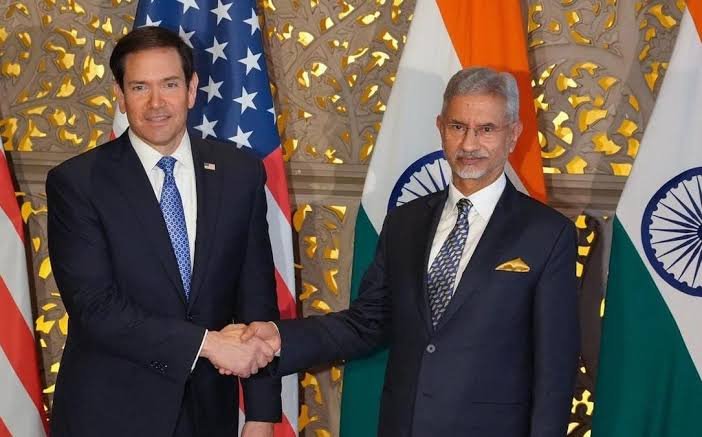
India-US relations are showing signs of a diplomatic reset with US Secretary of State Marco Rubio and Ambassador to India Sergio Gor playing key roles in efforts to rebuild confidence and advance bilateral cooperation. Rubio’s October 2026 visit to India has renewed engagement on trade, energy security, defence, technology and investment amid a period of friction between the two countries.
The immediate priority is the proposed India-US Bilateral Trade Agreement (BTA). During talks with External Affairs Minister S. Jaishankar in Mumbai on October 20, both sides welcomed progress in negotiations and reaffirmed their commitment to an early conclusion. Rubio indicated that only a limited number of issues remained unresolved while Indian officials have said the first phase of the agreement has entered legal drafting.
Energy cooperation is another important pillar of the emerging reset. Washington is encouraging India to diversify its energy supplies and expand purchases of American energy products. Rubio’s visit to Reliance Industries’ Jamnagar refinery also highlighted India’s extensive refining capacity and its potential role in wider international energy supply chains. However, India’s need to maintain affordable energy supplies and strategic flexibility remains central to its policy.
Defence cooperation, emerging technologies, critical minerals and regional security are also expected to shape the next phase of engagement. Both countries have an interest in maintaining stability in the Indo-Pacific, although differences over tariffs, Russian oil purchases, immigration restrictions and Washington’s engagement with Pakistan continue to complicate relations.
For India, the challenge is to convert renewed diplomatic engagement into tangible economic and strategic outcomes without compromising policy autonomy. For Washington, a stable partnership with New Delhi remains important to its broader Indo-Pacific strategy.
Governance Impact: The emerging reset could improve trade predictability, support investment and strengthen technology and defence collaboration. However, its durability will depend on resolving outstanding trade issues and ensuring that diplomatic assurances translate into measurable agreements.