Amaravati’s Power Model Signals a New Urban Infrastructure Framework
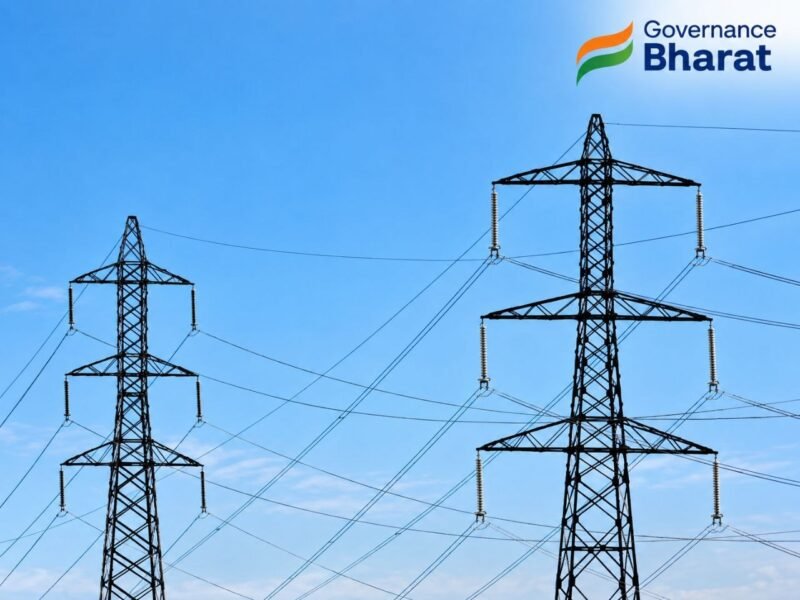
Andhra Pradesh’s under-construction capital Amaravati is set to become India’s second greenfield city with a fully privatised power distribution network, following Greater Noida. The Andhra Pradesh Capital Region Development Authority (APCRDA) has invited expressions of interest from private power companies for establishing and operating the city’s electricity distribution and retail supply system.
The proposed model places private participation at the centre of electricity distribution as Amaravati develops into a planned urban capital. The project is also designed around an underground electricity network, with ducts being laid alongside road construction. This approach is intended to reduce dependence on overhead infrastructure and integrate power systems with the city’s broader urban planning framework.
Amaravati is being developed as a greenfield city across about 217.23 sq km, with an estimated horizon population of around 3.5 million by 2050. The city’s development has involved a land-pooling model covering more than 34,000 acres.
Policy Impact
The proposed privatisation could create a service-delivery model in which investment, network management and retail electricity distribution are handled through private-sector participation. For Amaravati, this could support the expansion of power infrastructure in line with projected urbanisation while reducing the need for repeated retrofitting of conventional overhead networks. The underground network also provides an opportunity to integrate electricity infrastructure more systematically with roads and other urban utilities.
However the effectiveness of the model will depend on regulatory oversight, service-quality standards, tariff governance and the ability of the distribution operator to meet the needs of a rapidly expanding population. With the EOI process currently underway, the final operating structure and investment commitments will determine how the model translates into long-term urban infrastructure outcomes.
Why It Matters: Amaravati’s approach links private participation in electricity distribution with greenfield urban planning, potentially making power infrastructure an integrated component of the city’s long-term development architecture.