US Sets $500 Billion India Trade Target in Three Years, Puts Energy and Semiconductors in Focus
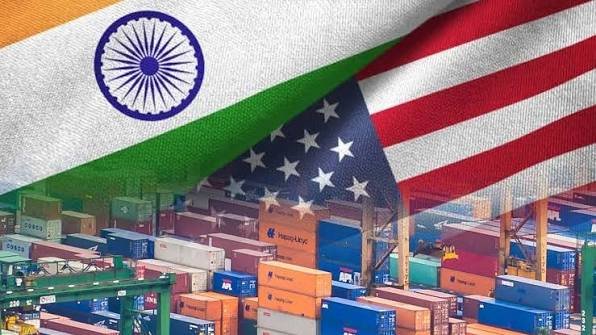
The United States has set an ambitious target of increasing bilateral trade with India to $500 billion within the next three years, signalling a renewed push to deepen economic cooperation across strategic industries. US Ambassador to India Sergio Gor announced the target in Mumbai on October 21, 2026, stating that bilateral trade had already reached a record $240 billion. Achieving the new goal would require both countries to more than double their existing trade volumes.
Strategic Sectors Driving the Partnership
Energy, semiconductors, defence, critical minerals and advanced technologies have emerged as key areas for expanding commercial engagement. Greater energy trade could strengthen supply diversification while semiconductor cooperation could support India’s ambitions to build domestic manufacturing capacity, develop technology supply chains and reduce strategic dependencies.
Cooperation in critical minerals is also significant because these resources are essential for electronics, clean-energy technologies and advanced manufacturing. Deeper industrial partnerships could create opportunities for investment, technology transfer and integration into global supply chains.
Trade Agreement and Market Access
The trade target comes as New Delhi and Washington work towards concluding the first phase of a bilateral trade agreement. The agreement is expected to address market access, tariffs and trade barriers, which will influence the competitiveness of Indian exporters in the US market. However, the final terms and implementation timeline remain important factors in determining how quickly trade can expand.
Governance and Economic Impact
The proposed $500 billion target presents an opportunity to expand India’s exports, attract foreign investment and strengthen domestic manufacturing. Sectors such as electronics, engineering goods, pharmaceuticals and textiles could benefit from improved market access and deeper commercial partnerships. For India, the central policy challenge will be to convert diplomatic commitments into measurable industrial investment, export growth and skilled employment while safeguarding domestic economic interests.
The scale of the ambition also highlights the importance of predictable trade rules, competitive tariffs and stable bilateral relations. Greater energy imports and technology cooperation may support the partnership but a balanced expansion must also ensure that Indian businesses gain sustainable access to the American market.
The Bigger Picture
The $500 billion target is more than a trade ambition; it is a test of whether India and the United States can translate strategic alignment into long-term economic gains. Its success will depend on the final trade agreement, effective implementation and the ability of businesses on both sides to expand investment and trade.