Gorakhpur Planetarium Set for November Inauguration:: CM Yogi to Witness First ShowScience infrastructure, educational outreach and urban tourism gain fresh momentum in eastern Uttar Pradesh
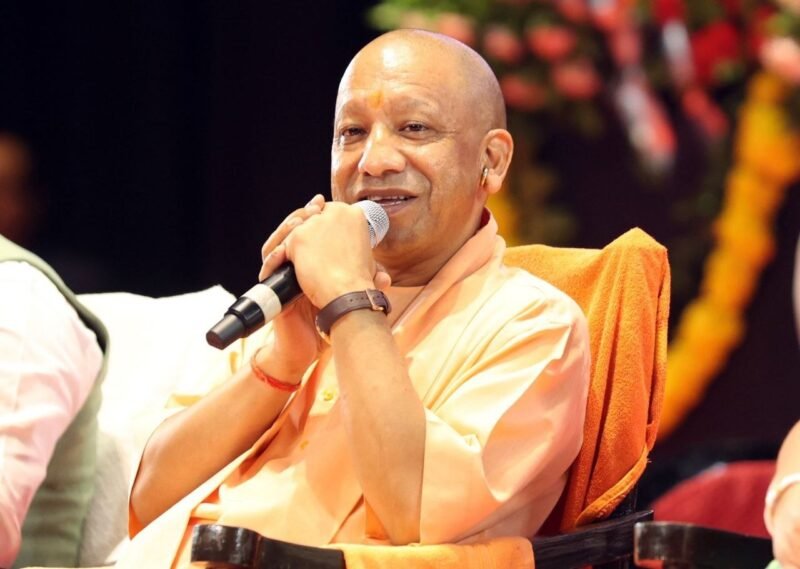
Uttar Pradesh is set to add a new science and education attraction to its public infrastructure landscape with the upcoming inauguration of the Gorakhpur Planetarium. Chief Minister Yogi Adityanath is expected to attend the first show at the facility and formally inaugurate it in November, marking a significant step towards strengthening scientific awareness and educational tourism in eastern Uttar Pradesh.
The planetarium is designed to provide students, young learners and visitors with an immersive platform to understand astronomy, space science and related scientific concepts through modern presentation technologies. Its development is expected to expand opportunities for experiential learning beyond conventional classrooms.
From a governance perspective, the project reflects the state’s broader emphasis on developing public institutions that combine education, technology and tourism. A modern planetarium can serve not only as a recreational destination but also as an outreach centre for schools, educators and science enthusiasts.
For Gorakhpur, the facility adds another dimension to the city’s emerging urban infrastructure and tourism ecosystem. Its integration with educational visits could create a structured avenue for students from Gorakhpur and neighbouring districts to access science-focused learning experiences without travelling to larger metropolitan centres.
The November inauguration also places the project within Uttar Pradesh’s wider strategy of expanding destination-based infrastructure and improving civic amenities in regional centres. By bringing astronomy and space science closer to young audiences, the planetarium can support greater interest in STEM education, innovation and scientific thinking.
The project therefore represents more than a new visitor facility: it connects science communication, youth engagement, educational infrastructure and regional tourism within a single public asset. Its long-term impact will depend on programming, school partnerships, accessibility and sustained public engagement after commissioning.