Eastern UP Gets Silk Cluster Push as Yogi Government Targets Integrated Textile Growth
The Uttar Pradesh government is preparing to develop Sant Ravidas Nagar, Varanasi and Mirzapur as a dedicated silk cluster, signalling a policy shift towards strengthening the region’s traditional textile economy through geographically integrated industrial development.
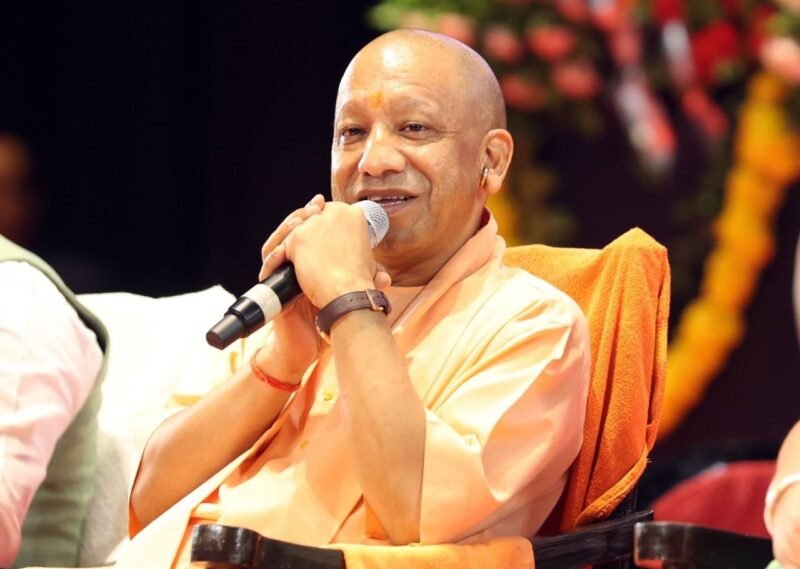
Chief Minister Yogi Adityanath gave the assurance while interacting with exporters, sellers and prominent entrepreneurs during the golden jubilee edition of the India Carpet Expo in Varanasi. The proposed cluster is expected to bring greater policy focus to the silk ecosystem across the three districts, creating scope for coordinated production, processing, marketing and export-oriented activities.
The initiative is significant for Eastern Uttar Pradesh, where traditional weaving and handicraft-based livelihoods remain closely linked with local economic activity. A dedicated cluster approach can help bring producers and enterprises into a more structured value chain while improving opportunities for investment, technology adoption and market access.
The government also indicated that the Varanasi-Vindhya Regional Development Plan will be implemented soon. The plan can provide a broader spatial-development framework for the region, linking industrial activity with infrastructure and urban-economic planning.
The announcement also comes against the backdrop of growing policy attention to Uttar Pradesh’s traditional industries and export clusters. Integrating silk production with established carpet and handicraft ecosystems could strengthen the region’s manufacturing base and create greater opportunities for MSMEs and local entrepreneurs.
From a governance perspective, the proposed silk cluster represents an attempt to move beyond fragmented support for traditional industries towards cluster-based economic planning. Its effectiveness will depend on implementation, infrastructure, access to finance, technology, skilled manpower and stronger domestic and international market linkages.
For Eastern UP, the move could provide a new platform to convert its traditional textile capabilities into a more organised, competitive and export-oriented economic ecosystem.