
Bengal Targets ₹2,500 Crore Tourism Infrastructure Push, Signals Policy Shift Toward Global Visitor Economy
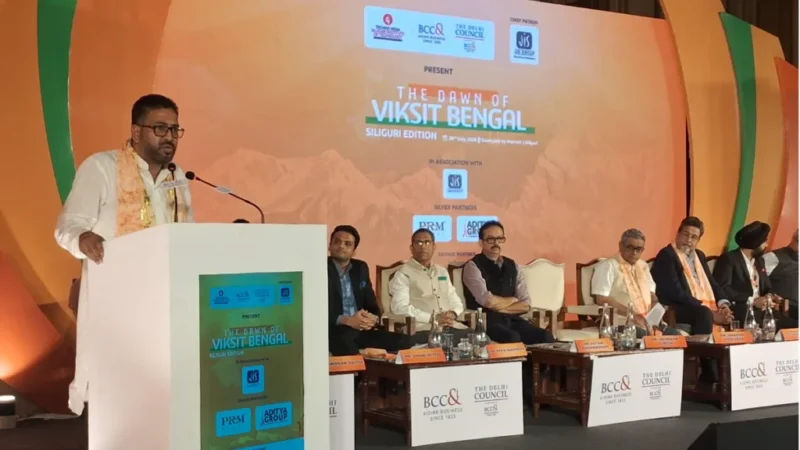
The West Bengal government is preparing a major tourism infrastructure push, targeting more than ₹2,500 crore in direct investment to upgrade destinations and make the state more accessible to global travellers. Tourism Minister Shankar Ghosh said the proposed investment will be backed by a ₹500 crore allocation for tourism infrastructure in 2026-27, signalling a stronger public-capital role in building the sector’s physical and economic ecosystem.
The tourism policy has already been sent to the government and is expected to be incorporated into the upcoming land and industrial policy. The broader approach aims to reposition tourism through modern, sustainable and technology-enabled infrastructure while creating conditions for domestic as well as foreign investment. The government is also planning a hospitality institute to develop skilled local manpower, addressing one of the key constraints in scaling tourism services.
The investment pipeline extends beyond government spending. A recent tourism investment summit generated proposals worth ₹12,634 crore with an estimated employment potential of around 22,000 jobs. Destinations such as Mirik and Kalimpong are also being developed under the state’s wider tourism expansion strategy.
Governance Impact
The proposed investment marks a shift from tourism promotion based primarily on visitor footfall towards destination-led economic development. Better connectivity, visitor amenities, hospitality capacity and technology-enabled services can increase tourist spending, length of stay and local enterprise participation. For Bengal, the strategy could create a stronger link between tourism, employment, handicrafts, culture, food and private investment. The Centre is also seeking to position West Bengal as a major cultural heritage tourism destination, reinforcing the opportunity for coordinated public-private development.
Key Takeaway: Bengal’s ₹2,500 crore tourism infrastructure plan places destination development, investment mobilisation and employment generation at the centre of its emerging tourism governance strategy.