
Ramsar Sites in India Rise to 103 as Wetland Conservation Gains Strategic Importance
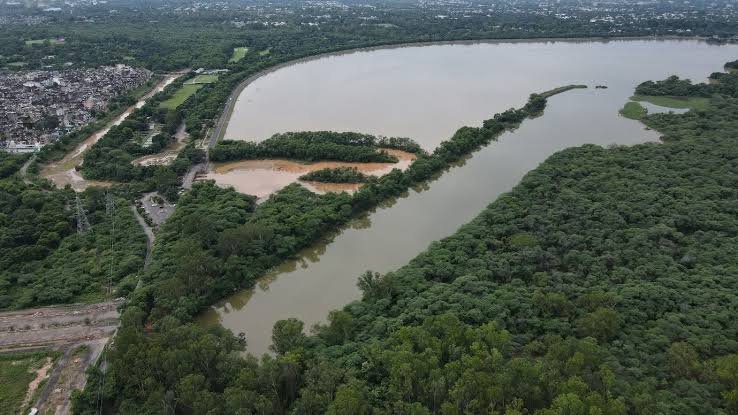
India’s Ramsar network has expanded to 103 wetlands, strengthening the country’s international standing in biodiversity conservation while highlighting the growing importance of wetland protection for water security, climate resilience and sustainable livelihoods. According to the Ministry of Environment, Forest and Climate Change, the latest additions were announced on 15 October 2026: Sukhna Wetland in Chandigarh and Sauj Jheel in Uttar Pradesh. India’s designated wetlands now cover approximately 13.88 lakh hectares across 28 States and Union Territories.
From 26 to 103: A Major Expansion
India had 26 Ramsar Sites in 2014. The number has since increased nearly fourfold, reflecting a stronger policy focus on wetland identification, conservation and ecological management. India joined the Ramsar Convention on 1 February 1982. The convention, adopted in Ramsar, Iran, in 1971, provides an international framework for protecting wetlands of ecological importance. India currently ranks first in Asia and third globally by the number of designated Ramsar Sites.
Tamil Nadu Leads, Uttar Pradesh Strengthens Its Position
Tamil Nadu has the highest number of Ramsar Sites with 20, followed by Uttar Pradesh with 14. The latest addition, Sauj Jheel in Mainpuri district, supports more than 30,000 waterbirds and provides habitat for species including the vulnerable sarus crane and greater spotted eagle. Sukhna Wetland in Chandigarh supports resident and migratory birds, including species that use the Central Asian Flyway.
Why Ramsar Sites Matter for Governance
Wetlands function as natural infrastructure. They help recharge groundwater, moderate floods, sustain fisheries, support agriculture and provide habitats for migratory birds. Their conservation also contributes to climate adaptation and local economic security.
However, designation alone cannot guarantee ecological protection. Pollution, encroachment, invasive species, sediment accumulation and unsustainable resource extraction require continuous monitoring, scientific management and community participation.
The Policy Imperative
India’s next challenge is to translate international recognition into measurable ecological outcomes. Strengthening wetland inventories, improving state-level management plans, controlling pollution and involving local communities will be essential. Initiatives such as the National Plan for Conservation of Aquatic Ecosystems, Amrit Dharohar and Mission Sahbhagita can support this transition.
Governance Impact: India’s 103 Ramsar Sites represent more than a conservation milestone. They are critical natural assets whose effective management can strengthen water security, biodiversity protection and climate resilience while safeguarding livelihoods for future generations.