ISRO Maps Out Ambitious Space Mission Roadmap Following Successful GSLV Launch
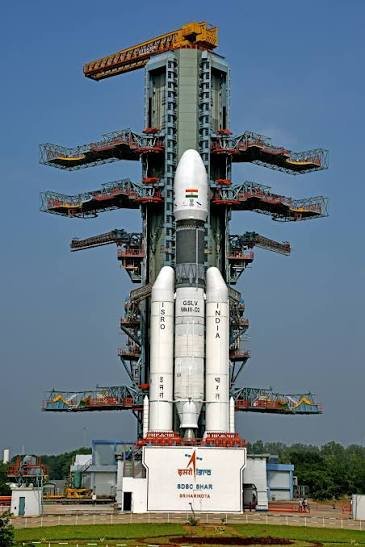
India’s space programme is preparing for another major phase of expansion, with the Indian Space Research Organisation outlining an ambitious pipeline of high-value missions following the successful GSLV launch. The upcoming missions reflect India’s growing focus on indigenous launch capabilities, advanced space research, human spaceflight and strategic technological independence.
Expanding the Mission Pipeline
ISRO Chairman V. Narayanan has indicated that the organisation is targeting multiple launches in the coming months including two Polar Satellite Launch Vehicle (PSLV) missions, two Small Satellite Launch Vehicle (SSLV) missions and a private-sector launch. The roadmap highlights ISRO’s efforts to increase launch frequency while strengthening India’s commercial space ecosystem.
Gaganyaan: Advancing Human Spaceflight
Gaganyaan remains one of India’s most strategically significant space programmes. The first uncrewed mission, Gaganyaan-1 will be an important milestone in validating critical systems required for human spaceflight. ISRO has undertaken extensive testing with astronaut safety and mission reliability remaining central priorities. Three uncrewed missions are planned before India’s first human spaceflight.
NavIC and Indigenous Navigation Capabilities
The successful GSLV-F18 mission on October 30, 2026 which deployed the NVS-03 navigation satellite, represents an important step in strengthening India’s regional navigation infrastructure. The expansion of the NavIC constellation is expected to improve positioning, navigation and timing services while reducing dependence on foreign navigation systems.
Strategic and Economic Significance
ISRO’s expanding mission calendar carries implications beyond scientific exploration. A higher launch frequency can strengthen India’s position in the global commercial space market, create opportunities for domestic aerospace manufacturers and encourage greater private-sector participation. Indigenous navigation and launch technologies also have important applications in telecommunications, transportation, disaster management and national security.
The upcoming missions demonstrate India’s transition from a satellite-launching nation towards a comprehensive space power. Their successful execution will be crucial to advancing technological sovereignty, strengthening strategic capabilities and establishing India as a competitive force in the global space economy.