ACME Solar Secures 400 MW NTPC Power Deal at ₹4.37 per Unit, Strengthening India’s Firm Renewable Energy Capacity
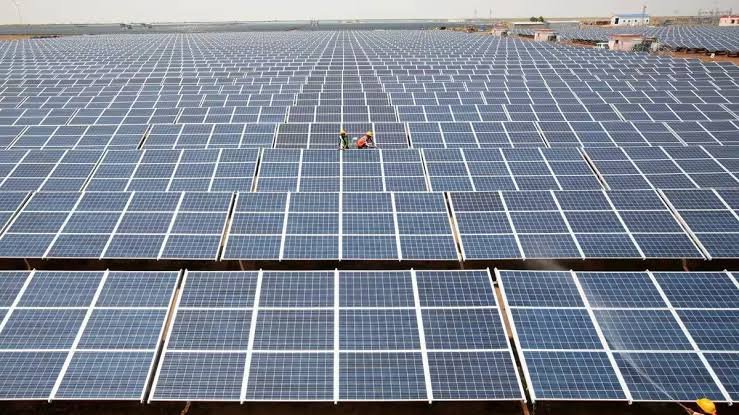
ACME Solar Holdings has signed a 400 MW Power Purchase Agreement with NTPC Limited at a tariff of ₹4.37 per unit, marking another significant development in India’s transition towards reliable and dispatchable renewable energy. The agreement has been executed through ACME Solar’s wholly owned subsidiary, ACME Marigold Urja, under NTPC’s Firm and Dispatchable Renewable Energy tranche.
The 25-year agreement provides for electricity supply to commence on June 30, 2028. The project will be connected to the Raghanesda substation through the Inter-State Transmission System (ISTS) network. ACME Solar has already secured final connectivity and leased more than 800 acres of land for project development.
Strategic Energy Integration
The project will combine renewable energy generation with energy storage solutions to ensure a dependable electricity supply throughout the day, particularly during peak demand periods. It carries a minimum annual Capacity Utilisation Factor requirement of 40% and an obligation to meet 90% of the contracted peak power requirement for a cumulative 4.5 hours daily across morning and evening peak periods.
Industry and Infrastructure Impact
The agreement strengthens ACME Solar’s long-term project pipeline. Following the signing, its PPA-locked under-construction contracted portfolio has increased to 4,710 MW, against total under-construction contracted capacity of 5,380 MW.
The development highlights the growing importance of energy storage, grid integration and hybrid renewable infrastructure in India’s electricity ecosystem. FDRE projects address a critical limitation of conventional solar and wind generation by aligning clean electricity supply with actual consumption requirements.
Governance Perspective
The NTPC-ACME agreement reflects a broader shift in India’s renewable energy strategy, from expanding installed green capacity towards ensuring round-the-clock power reliability. Such long-term procurement arrangements can strengthen energy security, improve grid flexibility and support India’s clean energy transition.