Nuclear Energy Technology in India: Advancing a Sustainable and Self-Reliant Future
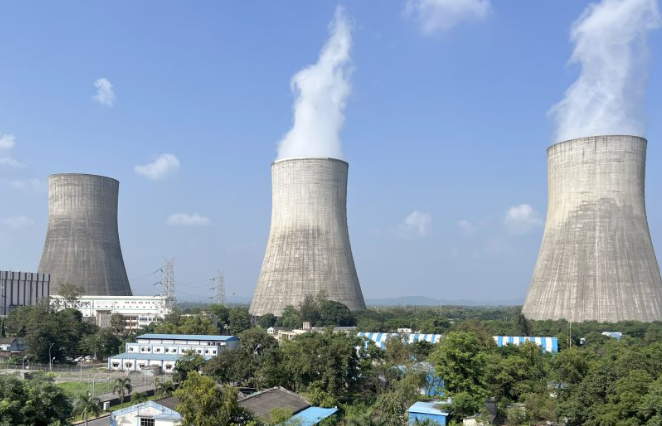
India is steadily strengthening its nuclear energy capabilities as part of its broader strategy to achieve energy security, reduce carbon emissions and build a sustainable, self-reliant economy. Nuclear energy is being positioned as an important component of the country’s long-term clean energy transition, particularly as India seeks to meet growing electricity demand while reducing dependence on fossil fuels.
India’s nuclear programme has been developed with a strong emphasis on indigenous research, technological capability and strategic self-reliance. Over the years, Indian scientists and engineers have developed expertise across the nuclear fuel cycle, reactor technology, fuel fabrication, heavy-water production, waste management and nuclear power generation. This domestic capacity has helped create a foundation for expanding nuclear power while strengthening technological sovereignty.
Strengthening Clean and Reliable Power Generation
Nuclear power provides continuous electricity generation and is capable of operating independently of weather conditions. This makes it an important complement to renewable energy sources such as solar and wind, whose generation varies according to natural conditions. A balanced energy mix combining nuclear, renewable, hydro and other low-carbon sources can help improve grid stability and ensure reliable electricity supply.
The expansion of nuclear energy can also contribute to India’s climate objectives by supporting the gradual reduction of carbon-intensive electricity generation. Nuclear power produces very low greenhouse-gas emissions during operation and can therefore play a role in developing a lower-carbon electricity system.
Focus on Indigenous Nuclear Technology
A key feature of India’s nuclear development strategy is the promotion of indigenous technology. The country has developed substantial capabilities in pressurised heavy-water reactor technology and continues to invest in advanced reactor designs and associated technologies.
The three-stage nuclear power programme envisioned by Indian nuclear scientists has historically aimed to utilise the country’s available thorium resources in the long term. This approach reflects India’s objective of developing a nuclear energy system based on domestic resources and technological capabilities.
Indigenous manufacturing is equally important. Strengthening domestic supply chains for nuclear equipment, components and specialised engineering services can reduce external dependencies while creating opportunities for Indian industries, research institutions and skilled professionals.
Advanced Technologies and Future Opportunities
The future of nuclear energy in India is increasingly linked with technological innovation. Advanced reactors, small modular reactors and other emerging technologies have the potential to provide flexible and scalable clean-energy solutions, subject to successful technological validation, regulatory approval and economic viability.
Small modular reactor technologies are attracting attention globally because of their potential for standardised manufacturing and deployment. For India, such technologies could potentially complement large nuclear power projects and support electricity requirements in industrial and remote areas. Their development also presents opportunities for domestic research, engineering and manufacturing capabilities.
India is also pursuing research in fast breeder reactor technology and thorium utilisation. These areas are important to the long-term vision of making more efficient use of nuclear resources and strengthening energy independence.
Nuclear Energy and Energy Security
India’s rapidly growing economy requires a dependable and diversified energy supply. Rising industrialisation, urbanisation, digital infrastructure and increasing household electricity consumption are expected to sustain demand for power. Nuclear energy can contribute to meeting this demand through stable, large-scale electricity generation.
A stronger domestic nuclear sector can also reduce vulnerability to international energy-market fluctuations. Greater use of indigenous technologies, domestic manufacturing and diversified fuel arrangements can support national energy resilience.
Safety and Regulatory Oversight
Nuclear energy requires the highest standards of safety, security and environmental protection. India’s nuclear power programme operates within a regulatory framework designed to ensure safe construction, operation and monitoring of nuclear facilities.
Nuclear safety involves multiple layers of protection, including robust reactor design, operational procedures, emergency preparedness, radiation monitoring and management of radioactive waste. Continuous technological improvement and independent regulatory oversight remain essential for maintaining public confidence and ensuring responsible development.
Human Capital and Research Ecosystem
The expansion of nuclear technology also strengthens India’s scientific and technological ecosystem. Nuclear research requires expertise in physics, engineering, materials science, electronics, radiation technology, cybersecurity and advanced manufacturing.
Investment in research institutions, universities and specialised training programmes can help develop the skilled workforce required for the next generation of nuclear technologies. Collaboration among government institutions, academia, research organisations and industry can further accelerate innovation and indigenous technological development.
Contribution to a Self-Reliant Economy
Nuclear energy has significance beyond electricity generation. Development of nuclear technologies can stimulate high-value manufacturing, precision engineering, scientific research and specialised industrial capabilities. Greater participation of Indian industries in the nuclear supply chain can support domestic production and generate employment in advanced technology sectors.
The approach is aligned with the broader objective of Aatmanirbhar Bharat, under which strategic sectors are encouraged to develop domestic capabilities, strengthen supply chains and reduce avoidable external dependencies.
Nuclear Technology for Sustainable Development
Nuclear technology also has applications beyond power generation. Nuclear techniques are used in areas such as healthcare, agriculture, food preservation, water management and scientific research. Radioisotopes and radiation-based technologies support medical diagnosis and treatment, while nuclear techniques can contribute to improving agricultural productivity and food security.
This wider application of nuclear science demonstrates its potential contribution to multiple Sustainable Development Goals, particularly those related to clean energy, health, food security, innovation and climate action.
Way Forward
India’s nuclear energy pathway will require sustained investment, technological innovation, effective regulation and strong public institutions. Expanding nuclear capacity should be accompanied by rigorous safety standards, responsible radioactive-waste management, environmental safeguards and transparent stakeholder engagement.
Greater integration of nuclear power with renewable energy can help create a diversified and resilient electricity system. At the same time, continued research into advanced reactors, fast breeder technology and thorium-based systems can strengthen India’s long-term technological capabilities.
Conclusion
India’s nuclear energy programme represents an important pillar of the country’s pursuit of energy security, technological self-reliance and sustainable development. By combining indigenous innovation, advanced reactor technologies, domestic manufacturing, skilled human resources and robust safety mechanisms, India can enhance the contribution of nuclear power to its future energy mix.
A sustained focus on research and development, responsible regulation and strategic investment can enable nuclear technology to support India’s transition towards a cleaner, more reliable and self-reliant energy future.