Supreme Court Seeks Government Accountability Over Protest Curbs, Questions Prohibitory Orders
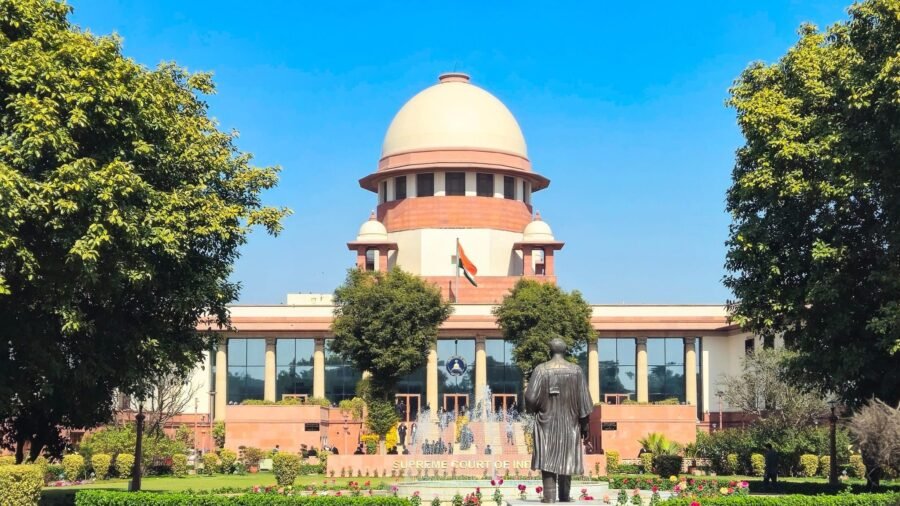
The Supreme Court of India has sought responses from the Centre, Delhi Police and other concerned authorities over petitions challenging restrictions imposed in Delhi ahead of a proposed protest at Jantar Mantar. The proceedings raise important questions about the proportionality of prohibitory orders, the legality of detentions and the balance between maintaining public order and protecting constitutional freedoms.
The petitions relate to restrictions imposed around the October 10, 2026, protest, including curbs on public movement and access to Delhi Metro stations. The Court has sought explanations from the authorities regarding alleged non-compliance with its earlier directions and has asked them to submit affidavits and compliance reports.
The judicial intervention follows concerns over measures affecting public transport and the movement of citizens. In its October 9 proceedings, the Court emphasised that regulating transport services to address security concerns must be distinguished from imposing a complete prohibition. It called for a proportionate approach that minimises inconvenience to the public.
The Court subsequently issued directions requiring metro and rail services to function normally, subject to lawful restrictions necessary to address public-order concerns. It also stressed that peaceful, unarmed individuals cannot be detained except in accordance with the procedure established by law.
Governance Impact
The proceedings underline a central accountability principle: executive restrictions must have a lawful basis and remain proportionate to the threat they seek to address. While authorities are responsible for preventing violence and maintaining public order, restrictions affecting movement, public transport and peaceful assembly require appropriate legal justification.
The case could reinforce judicial scrutiny of preventive measures adopted during demonstrations. The outcome will be significant for the governance framework governing public protests, police powers and the protection of fundamental rights, while clarifying the limits within which administrative authorities can impose restrictions in the interest of public safety.