States, Centre Align Financing Strategy to Accelerate Viksit Bharat
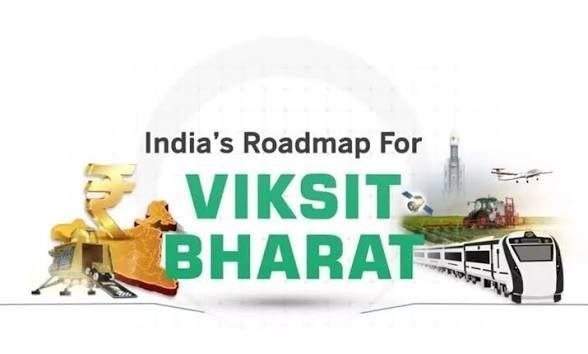
State Finance Ministers and Finance Secretaries joined the Union Finance Ministry for a two-day conference focused on strengthening the financing architecture required to advance India’s Viksit Bharat development agenda.
From Farm Output to Global Export Value
Agricultural exports emerged as a key priority, with discussions stressing the need to move beyond raw commodity exports towards value addition, stronger supply chains, logistics and quality standards. The Economic Survey 2025-26 notes that India’s agricultural exports reached USD 51.1 billion in FY2024-25, while highlighting significant scope for further expansion.
States at the Centre of Energy Transition
The conference also examined challenges associated with the transition towards cleaner energy. States, including Uttar Pradesh and West Bengal, highlighted issues related to renewable-energy costs and tariff structures. The discussions underline the need for coordinated Centre-State action, alongside greater private investment, to finance the transition.
Infrastructure and Private Capital as Growth Enablers
Officials emphasised that public finances alone cannot meet India’s long-term infrastructure and development requirements. Mobilising private capital, improving state-level fiscal transparency and strengthening investment frameworks were identified as important components of the financing strategy.
Policy Significance
The deliberations point towards a more integrated development approach in which agriculture, exports, energy, infrastructure, skills and finance are treated as interconnected growth priorities. NITI Aayog’s Export Preparedness Index similarly stresses state-level infrastructure, business ecosystems, policy governance and export performance as key pillars for building a globally competitive economy aligned with Viksit Bharat @2047.
The conference is expected to feed into further sector-specific working groups that will identify financing requirements and actionable measures for India’s long-term development trajectory.