
Supreme Court Clarifies Corporate Criminal Liability
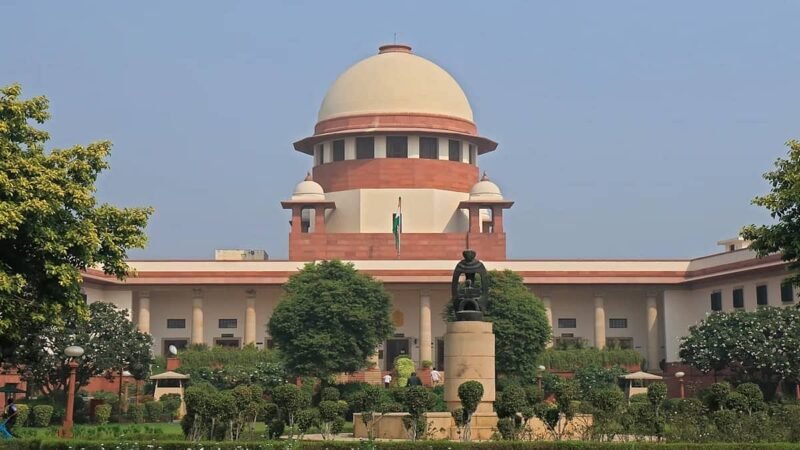
The Supreme Court has delivered a significant ruling on corporate criminal accountability, holding that criminal proceedings against a company cannot be quashed merely because no director, employee, or other individual has been specifically identified or made an accused in the case.
The apex court clarified that a company can independently face criminal prosecution where the available allegations and evidence indicate its involvement in an alleged offence. The absence of an identified natural person behind the alleged corporate act, by itself, does not provide sufficient grounds to terminate proceedings.
The ruling strengthens the framework of corporate governance, regulatory compliance and institutional accountability. It also reinforces the principle that legal responsibility cannot automatically be avoided simply because the investigation has not yet established the role of a particular individual.
At the same time, the judgment does not mean that directors or employees can be prosecuted automatically. Individual liability continues to depend on the specific statutory provisions and evidence establishing their involvement.
The decision is expected to have wider implications for corporate investigations, regulatory enforcement and economic offences, while emphasising that judicial proceedings should assess the company’s alleged role independently of the identification of individual accused persons.
Governance Significance: The judgment promotes accountability, compliance and institutional responsibility, reinforcing the rule of law in the corporate sector.