Prayagraj Metro Expansion: ₹12,000-Crore Plan Targets 70-Km Network, 45 Stations to Transform Urban Mobility
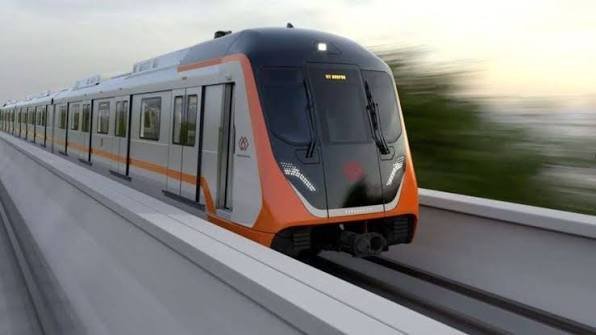
Uttar Pradesh is moving towards a major transformation of Prayagraj’s urban transport infrastructure with an expanded metro network planned across approximately 70 kilometres and 45 stations at an estimated investment of ₹12,000 crore. The proposed project aims to strengthen connectivity across the city’s residential, commercial, institutional and pilgrimage zones while addressing growing traffic congestion.
The expanded network will comprise two major corridors. The first will connect Bamrauli with City Lake in Jhunsi while the second will link Shantipuram with Cheoki in the Naini region. Parade Ground is proposed as the central interchange, providing connectivity between the two corridors.
According to reports, the first corridor is expected to have 20 stations, while the second will include 19 stations. The network will connect important locations including the airport area, Sulemsarai, Sangam, Jhunsi, Phaphamau and Naini.
Prayagraj Development Authority Vice-Chairman Rishi Raj has indicated that route and feasibility surveys are nearing completion with track-related work targeted for the next financial year. Two maintenance depots, each spread across approximately 14 hectares, are also proposed at Khanupur in Jhunsi and Cheoki. Land coordination, particularly involving defence-owned land, remains an important implementation requirement.
Governance & Strategic Impact
The proposed metro network carries significance beyond urban transportation. It could improve access to the Sangam area during Magh Mela and Kumbh Mela, reduce dependence on road-based transport and strengthen connectivity between railway stations, the airport and major residential centres.
The project could also encourage planned urban expansion, improve commercial accessibility and create opportunities for investment around proposed transit corridors.
However, the expanded alignment, estimated expenditure and implementation schedule remain subject to formal approvals and land clearances. Converting the proposed network into an operational transport system will be the key execution challenge.