Adani Energy Secures 2,500 MW Renewable Power Deal, Strengthens West Bengal’s Long-Term Clean Energy Supply
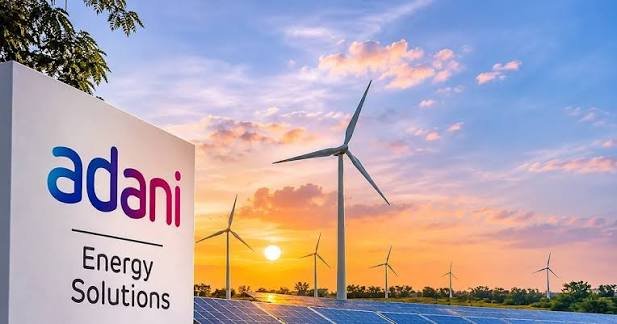
Adani Energy Solutions Ltd has secured a major renewable energy supply contract from West Bengal State Electricity Distribution Company Ltd with a potential capacity of 2,500 MW under a 25-year agreement. The development marks a significant expansion of India’s round-the-clock renewable power procurement and strengthens the role of private energy companies in supporting state-level electricity requirements.
The Letter of Award has been issued to Powerpulse Trading Solutions Ltd, a wholly owned subsidiary of AESL for supplying 1,750 MW of Renewable Energy Round-the-Clock power. The agreement also includes a 750 MW greenshoe option which WBSEDCL can exercise at a later stage to increase the total contracted capacity to 2,500 MW.
The contract was awarded through a competitive bidding process followed by an e-reverse auction. Power supply for the initial 1,750 MW is scheduled to commence on July 1, 2028. If the additional 750 MW option is exercised, its supply will begin from April 1, 2029.
Strategic Impact and Energy Security
The agreement is strategically important for West Bengal as electricity demand continues to grow and distribution utilities face increasing renewable energy procurement requirements. Round-the-clock renewable power combines solar and wind generation with energy storage and other balancing arrangements to provide a more reliable electricity supply beyond conventional daylight generation hours.
The arrangement can also support WBSEDCL in meeting its Renewable Consumption Obligation while reducing dependence on conventional power sources over the long term.
PTSL has already tied up approximately 4.6 GW of solar and wind capacity and 3.5 GWh of battery energy storage system capacity on the sourcing side. Its expanding portfolio of long-term supply agreements also targets industries, data centres, commercial consumers and electricity distribution companies.
Governance Perspective: The award highlights a shift towards integrated renewable power procurement where reliability, storage capacity and long-term supply commitments are becoming as important as generation capacity. It also reinforces the importance of competitive bidding and private-sector participation in India’s clean energy transition.