Transforming India’s Infrastructure: From Roads to Capacity Building
Building the Foundation for Sustainable Growth
Over the past 12 years, India’s infrastructure landscape has undergone a significant transformation. Infrastructure development has expanded beyond roads and transport to encompass integrated planning across logistics, housing, water resources and public services. This approach has strengthened connectivity, improved access to essential services and created a stronger foundation for sustained economic growth..
Public capital expenditure has increased substantially, rising from approximately ₹2 lakh crore in FY 2014–15 to ₹12.2 lakh crore in FY 2026–27. The expansion reflects the government’s emphasis on infrastructure-led growth, capacity creation and long-term economic resilience.
Railways Entering a New Era
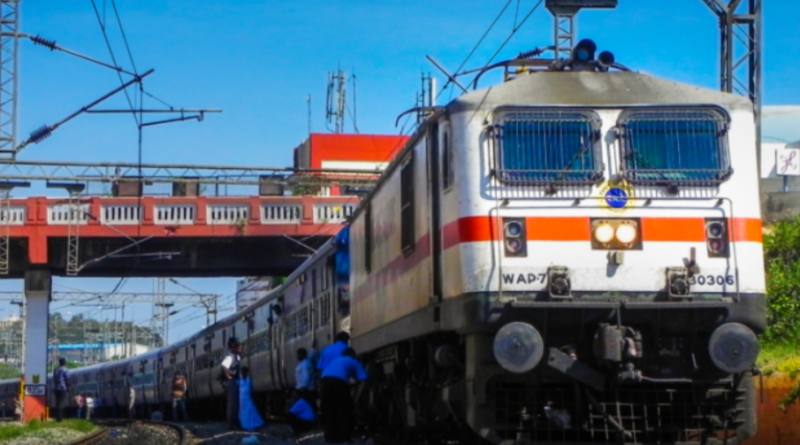
Indian Railways is undergoing a major modernisation programme aimed at providing faster, safer and more efficient passenger services. Electrification, advanced safety systems, high-speed rail projects and next-generation trains are contributing to the transformation of the railway network.
Key developments include:
Railway budget allocation: Increased from approximately ₹32,000 crore in 2014–15 to ₹2.78 lakh crore in FY 2026–27..
Railway electrification: Expanded from around 20% before 2014 to 99.6% by July 2026, marking near-complete electrification of the broad railway network.
Vande Bharat and Amrit Bharat services: 162 Vande Bharat services, 2 Vande Bharat Sleeper services and 72 Amrit Bharat services are strengthening connectivity and improving passenger experience..
Kavach safety system: Version 4.0 of the indigenous automatic train protection system has been deployed across 2,633 route kilometres as of July 2026.
Mumbai–Ahmedabad High-Speed Rail: The 508-kilometre corridor is being developed with a design speed of 350 km per hour, representing a major step towards high-speed rail connectivity.
Amrit Bharat Station Scheme: Of the 1,340 selected stations, redevelopment of 261 stations had been completed by 18 July 2026, supporting the modernisation of passenger infrastructure.
Hydrogen fuel-cell train: In July 2026, India launched its first domestically developed hydrogen fuel-cell train. The 10-coach train, with seating capacity for approximately 2,600 passengers, operates on the Jind–Sonipat section. Its fuel-cell technology generates electricity onboard, with water vapour and heat as the principal by-products.
India’s infrastructure strategy increasingly reflects a shift from isolated asset creation towards integrated capacity building, modernisation and service-oriented infrastructure governance. Higher public capital expenditure, technological adoption and expansion of transport infrastructure are supporting economic activity while strengthening the delivery of public services.
The transformation of Indian Railways illustrates this broader approach: infrastructure expansion is being combined with electrification, safety technology, high-speed connectivity, station redevelopment and cleaner mobility solutions.
Overall, the infrastructure push represents an important component of India’s long-term development strategy, with the objective of creating efficient connectivity, resilient public infrastructure, improved citizen services and stronger foundations for sustainable economic growth.