
India’s EV Market Projected to Reach ₹20 Lakh Crore by 2030, May Generate 5 Crore Jobs
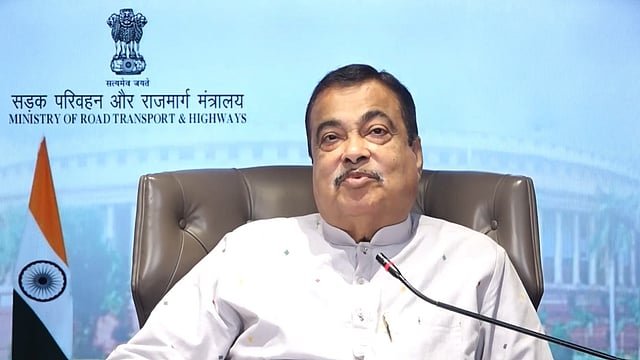
India’s electric vehicle (EV) sector is projected to emerge as a major driver of economic growth, employment generation and sustainable mobility, with Union Minister for Road Transport and Highways Nitin Gadkari stating that the market could reach a value of ₹20 lakh crore by 2030 and generate around five crore jobs.
Addressing a summit organised by the CII-ITC Centre of Excellence for Sustainable Development, Gadkari highlighted the expanding adoption of electric mobility in the country. India currently has around 57 lakh registered electric vehicles, representing approximately 7 per cent market penetration. The projected growth is expected to strengthen the broader EV ecosystem, including vehicle manufacturing, components, batteries, charging infrastructure, financing and related services.
The Minister also highlighted the need to enhance domestic electric-bus manufacturing capacity. Against an estimated annual demand of one lakh electric buses, domestic manufacturers currently produce around 50,000–60,000 units annually. Bridging this supply gap could support public transport electrification while creating additional opportunities for manufacturing and skilled employment.
The government’s broader objective is to position India as the world’s leading automobile manufacturing hub within the next five years. Gadkari emphasised India’s trained workforce, competitive manufacturing capabilities and growing presence of global automobile companies as key strengths supporting this ambition.
The transition towards electric mobility also has strategic significance for energy security and environmental sustainability. Reducing dependence on fossil-fuel imports can help lower the import burden while supporting cleaner transportation.
Alongside EV adoption, the government is working to improve logistics efficiency. Gadkari stated that logistics costs have declined from around 16 per cent to 10 per cent, with a further target of reducing them to 8 per cent to enhance India’s global competitiveness.
The projected expansion of the EV sector therefore represents not only a transportation transition but also an opportunity to strengthen domestic manufacturing, generate employment, promote innovation and advance India’s broader sustainable-development objectives.