
Air Marshal Inderpal Singh Walia Appointed Vice Chief of Indian Air Force, Assumes Charge on November 1
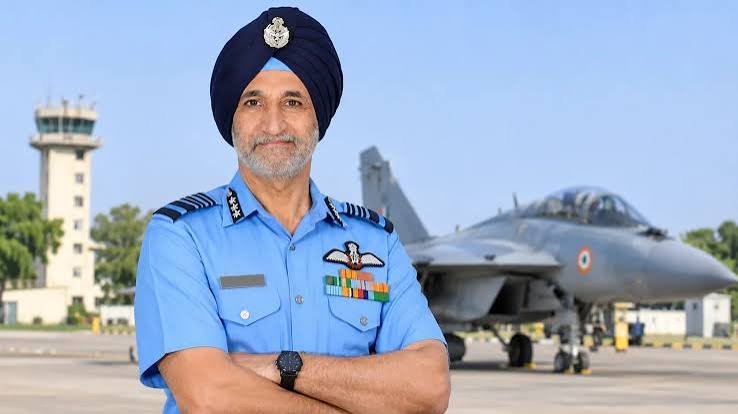
The Government of India has appointed Air Marshal Inderpal Singh Walia as the next Vice Chief of the Air Staff of the Indian Air Force effective November 1, 2026. The appointment marks an important leadership transition within India’s air defence establishment and comes amid significant developments in the Air Force’s senior command structure.
Currently serving as the Air Officer Commanding-in-Chief (AOC-in-C) of the Eastern Air Command, Air Marshal Walia will succeed Air Marshal Ashutosh Dixit who is set to assume charge as the 29th Chief of the Air Staff on October 31, 2026.
Commissioned into the fighter stream of the Indian Air Force on June 11, 1988, Air Marshal Walia is an alumnus of the National Defence Academy . During his distinguished military career, he has accumulated extensive operational experience flying frontline fighter aircraft, including MiG-21, MiG-23, MiG-27, Jaguar and Su-30MKI.
His professional assignments include commanding a frontline fighter squadron, the Tactics and Air Combat Development Establishment (TACDE), and Air Force Station Bareilly. He has also served as head of the Directorate of Air Staff Inspection, Defence Attaché in Japan and South Korea and Senior Air Staff Officer at Eastern Air Command.
Air Marshal Walia has completed the Advanced Command and Staff Course in the United Kingdom and the National Defence College programme in Bangladesh. His distinguished service has been recognised with the Vayu Sena Medal in 2008 and the Ati Vishisht Seva Medal in 2018. He also holds three postgraduate degrees in Defence and Strategic Studies.
Strategic and Defence Implications
The appointment comes at a crucial time when India is accelerating the modernisation of its air combat capabilities, strengthening operational preparedness and expanding indigenous defence manufacturing. His extensive experience in fighter operations, command responsibilities and strategic planning is expected to support institutional continuity and strengthen the Indian Air Force’s operational leadership.
The transition also reflects the importance of experienced military leadership in addressing emerging aerial threats, advancing technological capabilities and maintaining India’s strategic air defence preparedness.