Green Hydrogen: The Emerging Pillar of India’s Clean Energy Transition
India is positioning green hydrogen as a strategic instrument to strengthen energy security, decarbonise industries and build a globally competitive clean energy economy. Under the National Green Hydrogen Mission, approved in January 2023 with an initial outlay of ₹19,744 crore, the government aims to establish India as a global hub for the production, utilisation and export of green hydrogen and its derivatives.
Policy Framework and Strategic Targets
The mission targets an annual green hydrogen production capacity of at least 5 million metric tonnes by 2030, supported by approximately 125 GW of additional renewable energy capacity. It is expected to attract over ₹8 lakh crore in investments, generate more than six lakh jobs and reduce cumulative fossil fuel imports by over ₹1 lakh crore. The initiative also aims to avert nearly 50 million metric tonnes of greenhouse gas emissions annually by 2030.
Industrial Decarbonisation and Economic Opportunities
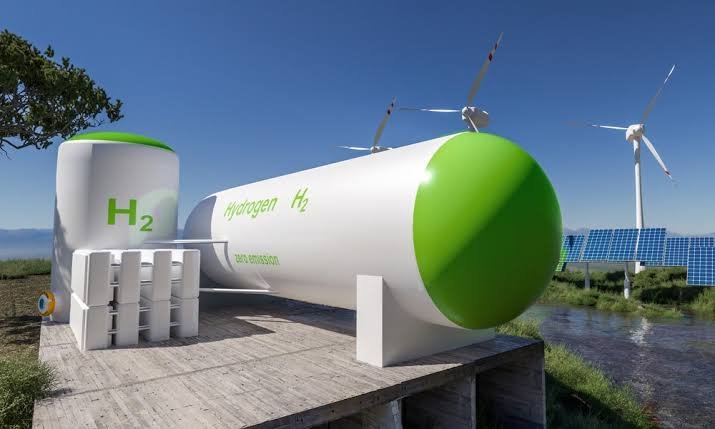
Green hydrogen is produced by splitting water through electrolysis using renewable electricity, primarily from solar and wind power. Its strategic value lies in reducing dependence on fossil fuels in sectors where direct electrification remains difficult including fertiliser manufacturing, petroleum refining, iron and steel production, heavy-duty transport and shipping. Green ammonia, a derivative of green hydrogen, can also support cleaner fertiliser production and create opportunities for exports.
The Strategic Interventions for Green Hydrogen Transition programme provides incentives for domestic electrolyser manufacturing and green hydrogen production. By February 2026, around 8,000 tonnes per annum of green hydrogen production capacity had been commissioned while incentives had been awarded for 3,000 MW per annum of electrolyser manufacturing capacity.
Implementation Challenges and the Road Ahead
Despite its potential, the sector faces challenges involving production costs, renewable electricity availability, water requirements, storage, transportation and infrastructure development. Scaling up domestic manufacturing, strengthening research and development, establishing hydrogen hubs and securing long-term industrial demand will be critical to commercial viability.
Green hydrogen is therefore more than an alternative fuel; it is a strategic industrial and economic opportunity. Effective policy implementation, private investment and technological innovation can help India reduce import dependence, strengthen domestic manufacturing and advance its long-term objective of achieving net-zero emissions by 2070.