
FCNR(B) Inflows Buy India 3–5 Years to Strengthen Economic Resilience, Says Uday Kotak
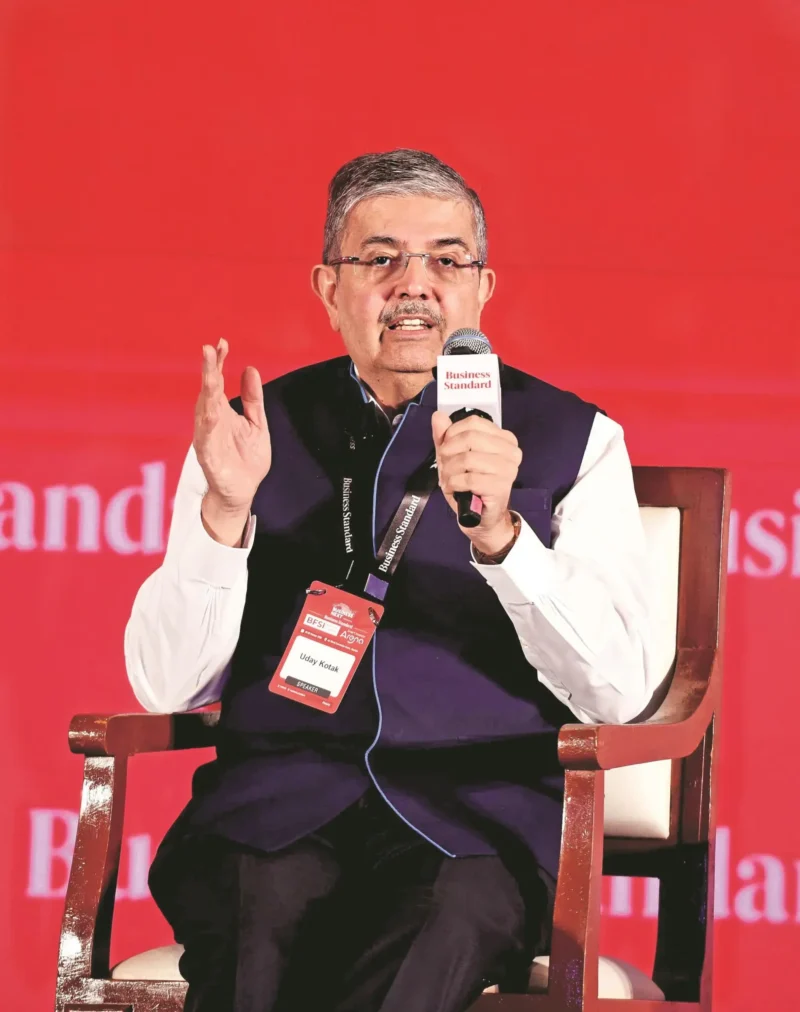
At the BFSI Insight Summit 2026, veteran banker Uday Kotak highlighted the strategic importance of Foreign Currency Non-Resident (Bank) or FCNR(B), deposits in providing India with a temporary financial buffer against global economic uncertainty. He emphasised that these inflows have bought India three to five years to strengthen its economic fundamentals, improve financial stability and prepare for future external obligations.
FCNR(B) Inflows and Repayment Challenges
FCNR(B) deposits enable non-resident Indians to hold fixed-term deposits in foreign currencies with eligible Indian banks. These deposits provide banks with access to foreign currency funding and can help ease pressure on the external account. However the funds must eventually be repaid with interest when deposits mature. This makes effective liquidity management and advance planning essential to prevent repayment pressures from affecting financial stability.
Strengthening Banking Liquidity
Kotak highlighted the challenge of mobilising domestic deposits as credit demand expands. While foreign currency inflows can provide temporary relief, sustainable banking growth requires a stronger domestic savings base. Banks need to improve deposit mobilisation and maintain a balanced relationship between lending growth and available funding.
Building Long-Term Economic Competitiveness
The next three to five years present an opportunity for India to strengthen its manufacturing ecosystem, encourage research and technological innovation, support emerging enterprises and improve export competitiveness. Greater investment in productive sectors can help reduce external vulnerabilities and build a stronger economic foundation.
Governance Bharat Analysis
FCNR(B) inflows should be viewed as a temporary financial advantage rather than a permanent solution to India’s structural challenges. The policy priority must be to convert this window into durable economic resilience by strengthening domestic savings, improving industrial competitiveness and managing future foreign currency repayment obligations. India’s ability to use this period effectively will determine whether short-term financial support translates into long-term stability and sustainable growth.