Namo Yamuna River Safari: Delhi Plans ₹500 Cruise Rides to Boost Riverfront Tourism Ahead of Chhath
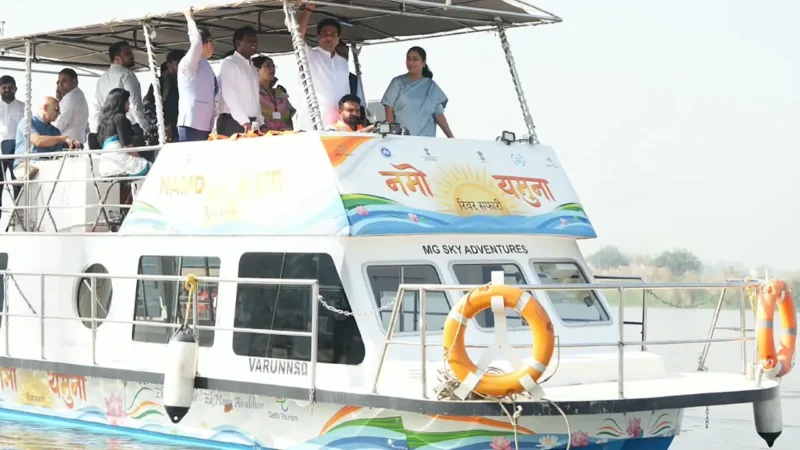
Delhi’s Yamuna riverfront is set to gain a new tourism attraction with the proposed Namo Yamuna River Safari offering a 5-kilometre cruise experience featuring 40-minute rides at a reported ticket price of ₹500. The initiative, planned ahead of Chhath, aims to create a new public-facing attraction around the Yamuna and expand Delhi’s urban tourism options.
A New Tourism Experience for the Capital
The proposed river safari could provide visitors with a structured boating experience along a stretch of the Yamuna, combining leisure, riverfront views and a new recreational activity. A 40-minute ride at ₹500 would position the service as a paid tourism experience although final operating arrangements, boarding points, safety protocols and passenger capacity will be important factors in determining public accessibility.
Tourism, Infrastructure and Riverfront Development
The initiative reflects a broader opportunity to develop the Yamuna as an urban asset rather than treating it solely as a waterway requiring environmental intervention. If supported by reliable access, passenger safety, sanitation and well-managed public facilities, river-based tourism could create opportunities for local businesses and strengthen Delhi’s visitor economy.
However tourism development must remain aligned with environmental safeguards. Water quality, waste management, ecological protection and pollution control will be critical to ensuring that commercial activities do not add pressure to an already stressed river ecosystem.
Why It Matters
The Namo Yamuna River Safari could add a new dimension to Delhi’s tourism infrastructure, particularly during the festive season surrounding Chhath. Its long-term success, however will depend not only on visitor demand but also on transparent pricing, operational safety, environmental compliance and sustained improvement in the Yamuna’s condition.
Governance Perspective: The project’s real value will be measured by whether it combines tourism-led economic activity with responsible riverfront management and meaningful ecological protection.