
US H-1B Visa and Green Card Crackdown: Microsoft, Infosys, TCS, Wipro, HCL, Cognizant and Capgemini Affected
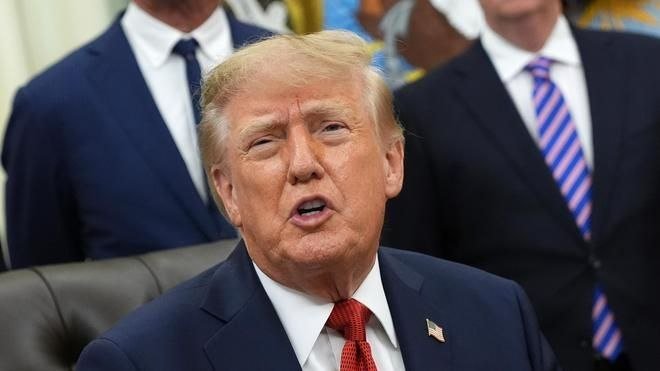
The United States has announced a major immigration enforcement action affecting eight major technology companies, including Microsoft, Adobe, Infosys, Tata Consultancy Services (TCS), Wipro, HCL Technologies, Cognizant and Capgemini. The action targets their employment-based Green Card processing through the PERM labor certification program, raising concerns among foreign professionals, including Indian IT workers employed in the United States.
US Vice President JD Vance announced the decision at a White House news conference, alleging that Microsoft had laid off American workers while continuing to benefit from programs that allow foreign professionals to work and pursue permanent residency in the country.
The announcement has brought renewed attention to the Trump administration’s efforts to tighten immigration enforcement and prioritize American workers. However, the action should not be interpreted as an automatic cancellation of all H-1B visas or existing Green Cards held by employees of the affected companies.
What Is the US Government’s Decision?
The action focuses on the PERM labor certification process, an important step in many employer-sponsored Green Card applications.
Under the PERM system, employers generally must demonstrate that hiring a foreign worker for a particular position meets applicable labor-market requirements and does not adversely affect the wages and working conditions of similarly employed US workers.
The administration announced the suspension of PERM processing for the eight named companies, affecting new applications and pending cases covered by the measure.
A PERM certification does not itself grant a Green Card. Applicants generally must complete additional immigration procedures before receiving permanent residency.
Which Companies Are Affected?
The companies named in the announcement are:
- Microsoft
- Adobe
- Infosys
- Tata Consultancy Services (TCS)
- Wipro
- HCL Technologies
- Cognizant
- Capgemini
These companies operate across software development, IT consulting, cloud services, enterprise technology and digital transformation. Several have substantial business operations in the United States and employ professionals from multiple countries.
The suspension could affect foreign employees whose employment-based permanent residency applications depend on the affected employers’ PERM processes.
The announcement does not, by itself, establish that every company has violated immigration law. Allegations, investigations and legally established violations must be treated as separate matters.
Why Did JD Vance Target Microsoft?
During the White House news conference, Vice President JD Vance accused Microsoft of laying off American employees while continuing to use employment-based immigration programs.
According to figures cited in the administration’s allegations, Microsoft laid off approximately 6,000 American employees during the previous year while benefiting from thousands of H-1B visa approvals and Green Card-related applications.
Vance argued that the company’s employment practices raised questions about whether foreign-worker programs were being used in ways that disadvantaged American workers.
However, the number of layoffs and the number of visa applications do not, on their own, prove that foreign workers directly replaced the American employees who lost their jobs.
Microsoft’s Response
Microsoft disputed the characterization of its H-1B filings.
The company stated that approximately 80% of the roughly 6,000 H-1B applications it filed during the previous fiscal year involved existing employees seeking visa extensions or changes in immigration status, rather than new hires.
Microsoft also said that most of its US employees are American citizens and that it seeks to provide comparable compensation for comparable work.
The company’s response highlights a central issue in the dispute: visa filings can include applications for existing employees, so the total number of filings does not necessarily represent the number of new foreign workers hired.
The administration’s allegations and Microsoft’s explanation will need to be evaluated separately as the matter develops.
H-1B Visa vs Green Card: What Is the Difference?
The distinction between the two immigration programs is essential to understanding the announcement.
H-1B visa: This is a temporary work visa that allows qualifying US employers to employ foreign professionals in specialty occupations, subject to applicable requirements.
Green Card: This grants lawful permanent resident status, allowing a person to live and work permanently in the United States, subject to the relevant laws.
PERM labor certification: This is a labor-market certification process used in many employer-sponsored employment-based Green Card cases.
The current action focuses on PERM processing. It does not automatically cancel every H-1B visa held by employees of the affected companies, nor does it automatically revoke existing Green Cards.
The implications for an individual employee depend on their current immigration status, the stage of their application and the scope of the government’s order.
What Could This Mean for Indian IT Professionals?
Indian professionals represent a significant part of the international technology workforce employed by US companies and IT service providers.
For employees whose Green Card applications depend on the affected companies, the suspension could create delays or uncertainty.
Potential consequences include:
- Green Card delays: Employees awaiting labor certification may face interruptions in the employment-based permanent residency process.
- Career uncertainty: Professionals planning long-term careers in the United States may need to reassess their immigration timelines.
- Employer strategy changes: Companies may review their US recruitment, staffing and international workforce deployment plans.
- Project planning challenges: Businesses that depend on employees with specific technical skills may need to plan around immigration-related uncertainty.
These are potential consequences rather than confirmed outcomes for every employee. The actual impact will depend on individual circumstances and subsequent government decisions.
Could This Affect H-1B Visa Holders?
The PERM suspension and H-1B visa rules are separate issues.
An employee’s existing H-1B status does not automatically disappear because their employer’s PERM processing has been suspended. H-1B status continues to depend on the applicable visa and employment requirements.
However, an employee pursuing permanent residency through an affected employer could face delays in the Green Card process.
Similarly, people who already hold Green Cards do not automatically lose their permanent resident status because of this announcement.
Employees with pending applications should obtain advice from a qualified US immigration attorney about how the measure applies to their individual cases.
Why Is the Trump Administration Tightening Immigration Enforcement?
The decision comes amid broader efforts by the Trump administration to strengthen enforcement of US immigration rules and scrutinize employer-sponsored foreign-worker programs.
The administration has argued that these measures are necessary to prevent abuse and protect American workers. Critics of broad immigration restrictions have raised concerns about the potential consequences for employers, skilled professionals and businesses that rely on international talent.
The debate reflects a wider policy question: how the United States can protect domestic employment opportunities while maintaining access to specialized skills needed by its technology and industrial sectors.
The suspension of PERM processing is one part of this broader debate, but its long-term implications will depend on the results of investigations, administrative decisions and any subsequent legal developments.
What Could Happen Next?
Three developments will be particularly important.
First, the status of the suspension and the government’s next steps in investigating the affected companies will determine how long the disruption continues.
Second, clarification of how pending PERM applications will be handled will be important for employees already pursuing permanent residency.
Third, the affected companies may review their hiring and staffing strategies, including local recruitment, overseas delivery models and employee immigration support.
No fixed end date for the suspension was identified in the reports cited for this announcement. Employees and employers will need to monitor official updates for further details.
Conclusion
The US government’s action against Microsoft, Adobe, Infosys, TCS, Wipro, HCL Technologies, Cognizant and Capgemini represents a significant development in employment-based immigration enforcement.
The immediate focus is on the PERM labor certification process used in many employer-sponsored Green Card cases. The measure could create uncertainty for foreign professionals whose permanent residency applications depend on the affected companies.
However, it is important to distinguish the suspension of PERM processing from a blanket cancellation of H-1B visas or existing Green Cards.
The broader impact on Indian IT professionals, US employers and the technology sector will depend on how the suspension is implemented, the findings of any investigations and the government’s subsequent decisions.