Viksit Bharat–G RAM G: 125-Day Job Guarantee Puts Rural Livelihoods at the Centre of India’s Development Strategy
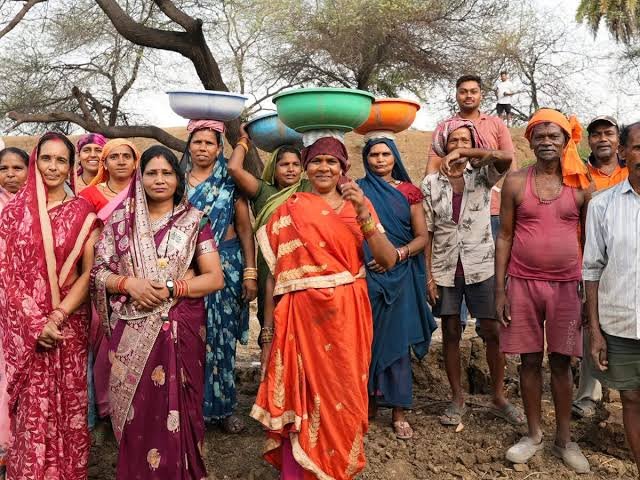
India’s rural employment framework has entered a new phase with the implementation of the Viksit Bharat–Guarantee for Rozgar and Ajeevika Mission (Gramin), popularly known as VB–G RAM G. The legislation replaces the Mahatma Gandhi National Rural Employment Guarantee Act (MGNREGA), 2005 and came into force nationwide on 1 July 2026. Its central provision increases the statutory wage-employment guarantee from 100 to 125 days per financial year for eligible rural households whose adult members volunteer for unskilled manual work.
From Wage Support to Productive Rural Infrastructure
The mission seeks to connect employment generation with durable rural development, aligning public works with the national vision of Viksit Bharat 2047. Its priority areas include water security, core rural infrastructure, livelihood-related assets and works designed to mitigate extreme weather events. The objective is to ensure that public expenditure creates both immediate wage opportunities and long-term productive assets for villages.
A key feature is the provision for 25 days of employment outside the 60-day peak agricultural season notified by the state, intended to balance rural wage employment with seasonal agricultural labour requirements. The framework also retains provisions for unemployment allowance when eligible applicants are not provided work within the prescribed period.
Funding and Accountability Will Determine Outcomes
The Centre announced an allocation of approximately ₹95,692 crore to support the transition and rollout. The scheme follows a Centre–State funding model with a 60:40 sharing ratio for most states and a 90:10 ratio for specified northeastern and Himalayan states and eligible Union Territories.
For rural India, the policy’s impact will depend on timely wage payments, reliable availability of work, transparent implementation and effective social audits. Strong Gram Panchayat-level planning will be essential to ensure that projects respond to local needs rather than merely meeting expenditure targets.
Governance Impact: VB–G RAM G seeks to link livelihood security with climate resilience and village infrastructure. Its success will ultimately be measured by whether the enhanced employment guarantee translates into dependable rural incomes, productive community assets and more resilient village economies.