India-US Trade Deal Nears Breakthrough as Trump Signals a Different Economic Framework
A New Phase in Bilateral Trade Negotiations
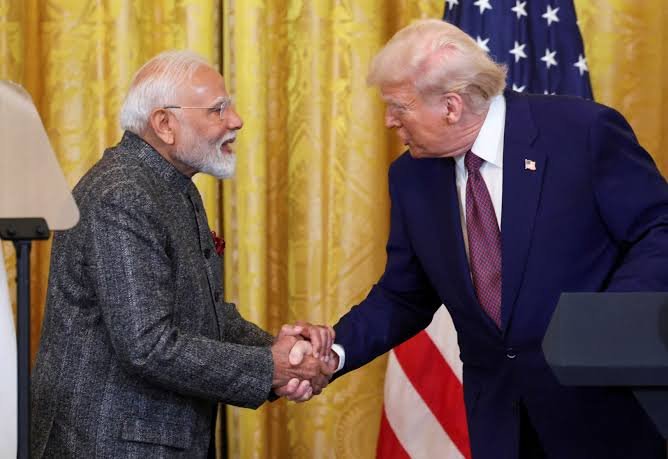
US President Donald Trump has indicated that India and the United States are close to finalising a bilateral trade agreement after more than a year of negotiations. Speaking to reporters at the White House on October 20, Trump said the two countries were “pretty close” to reaching a deal, while suggesting that the proposed agreement could represent a different approach from previous US trade pacts. He did not disclose the proposed framework or its specific terms. “Source: Business Standard”
The latest remarks follow encouraging signals from both governments. US Secretary of State Marco Rubio said on October 20 that negotiations were nearing completion, with only a limited number of issues remaining. India’s Commerce Ministry has also indicated that the first phase of the agreement is undergoing legal drafting while emphasising the need for competitive market access for Indian exporters.
Trade, Tariffs and Strategic Interests
The proposed agreement aims to address longstanding trade differences, improve market access and provide greater certainty for businesses operating across both economies. Tariff disputes and tensions over India’s purchases of Russian oil have complicated negotiations, making the latest diplomatic engagement particularly significant.
For India, a key priority is securing tariff conditions that allow domestic exporters to compete effectively with countries such as Vietnam, Bangladesh and Indonesia. Greater access to the US market could support Indian manufacturing, textiles, engineering goods and other export-oriented industries, provided the final terms protect domestic economic interests.
Governance and Economic Impact
A successful agreement could strengthen India’s export competitiveness, improve investor confidence and deepen cooperation in trade, energy, technology and defence. It could also create opportunities for businesses seeking more predictable cross-border supply chains. However, the economic benefits will depend on the final tariff structure, sector-specific concessions and safeguards for sensitive domestic industries.
The negotiations therefore represent more than a bilateral trade arrangement. They reflect India’s effort to expand global market access while retaining policy flexibility and strategic autonomy. Until the agreement is formally signed and its provisions are disclosed, the expected benefits should be treated as potential outcomes rather than confirmed commitments.