UP’s ODOP Push Advances Gandhi’s Swadeshi Vision, Yogi Announces 25% Khadi Discount Till January 2027
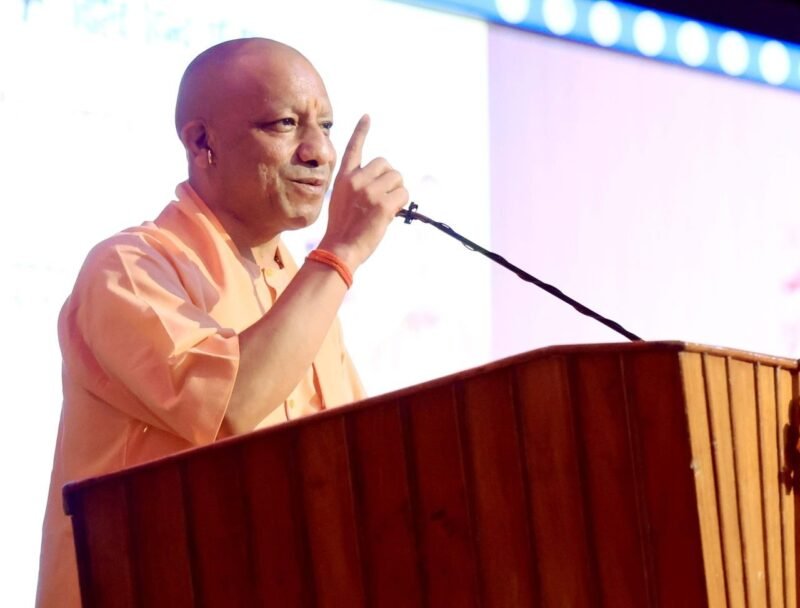
Uttar Pradesh Chief Minister Yogi Adityanath has positioned the state’s One District One Product (ODOP) initiative as a vehicle for advancing Mahatma Gandhi’s vision of Swadeshi, self-reliance and economic empowerment, while announcing a 25% discount on khadi products until January 30, 2027.
Speaking on the occasion of Mahatma Gandhi’s 157th birth anniversary, the Chief Minister paid tribute to Gandhi at the Gandhi Ashram in Hazratganj, Lucknow. He also offered floral tributes to former Prime Minister Lal Bahadur Shastri, recalling their contributions to India’s national development and self-reliance.
Yogi said Gandhi’s charkha symbolised more than a spinning wheel; it represented India’s commitment to economic independence and self-sufficiency. He linked this philosophy with the state’s ODOP programme which seeks to promote district-specific products, strengthen local manufacturing and connect traditional industries with wider markets.
ODOP as a Local-to-Global Economic Strategy
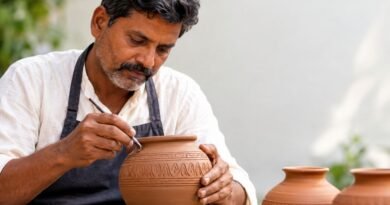
The ODOP initiative aims to identify and promote products associated with individual districts, creating opportunities for artisans, craftspeople, weavers and small enterprises. By supporting traditional production and improving market access, the programme seeks to strengthen local economic ecosystems while generating employment and preserving regional craftsmanship.
The policy approach also reflects a broader development priority: enabling smaller producers to participate in formal supply chains and benefit from expanding domestic and international demand. Its long-term impact will depend on sustained market linkages, product quality, branding, access to finance and the ability of local enterprises to scale production.
Khadi Discount Targets Wider Consumer Participation
The announced 25% discount on khadi products, valid until January 30, 2027, is intended to encourage consumers to adopt locally produced textiles and support the livelihoods of khadi workers and weavers.
Yogi appealed to citizens to make khadi part of their everyday lives and recognise the contribution of artisans to the state’s economy. The initiative combines a consumer incentive with a broader policy message on indigenous production.
For Uttar Pradesh, the challenge is to convert the Swadeshi appeal into sustained demand, stronger artisan incomes and commercially viable traditional industries. Linking cultural heritage with market-oriented governance could help ODOP and khadi contribute more effectively to MSME growth, employment generation and the state’s self-reliance agenda.