PM Vishwakarma Completes Three Years: 30 Lakh Artisans Brought into a Formal Support Framework
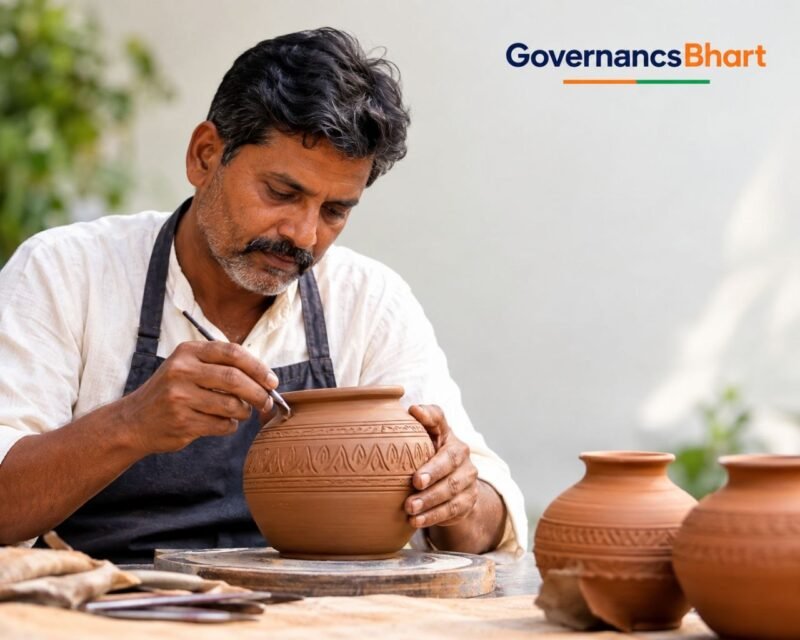
The PM Vishwakarma Scheme has completed three years, marking a significant milestone in the government’s effort to bring traditional artisans and craftspeople into a structured ecosystem of skills, finance, technology and market access.
Launched on September 17, 2023, the Central Sector Scheme targets artisans engaged in 18 traditional trades. The government has now achieved its registration target of 30 lakh beneficiaries following the prescribed three-stage verification process.
The implementation has moved beyond registration towards capability building. Around 24.50 lakh registered beneficiaries have received Basic Skill Training, while 18.15 lakh modern toolkits have been delivered through India Post. In addition, 6.18 lakh Vishwakarmas have received loans of up to ₹1 lakh at a concessional interest rate of 5%, with the sanctioned credit amounting to approximately ₹5,297 crore.
Policy Focus: From Traditional Skill to Enterprise
PM Vishwakarma combines formal recognition through certificates and identity cards with skill upgradation, toolkit incentives, credit support, digital transaction incentives and marketing assistance. Training is designed to introduce artisans to modern tools, improved practices, digital payments, marketing and entrepreneurship.
The scheme has a total outlay of ₹13,000 crore for FY2023-24 to FY2027-28 and seeks to improve the quality and market reach of traditional products while connecting artisans with domestic and global supply chains.
Why It Matters
The policy significance of PM Vishwakarma lies in linking traditional occupational skills with formal finance, modern technology and organised markets. Integrating beneficiaries with platforms such as Udyam Assist, GeM, e-commerce channels, trade fairs and exhibitions can help shift traditional craftsmanship from predominantly informal activity towards more structured micro-enterprise development.
Policy Impact: The next phase will be critical in converting registration and training into sustained enterprise growth, stronger market access, higher productivity and improved income opportunities for India’s traditional artisan economy.