
Nepal Flash Floods: Governance and Disaster-Management Response
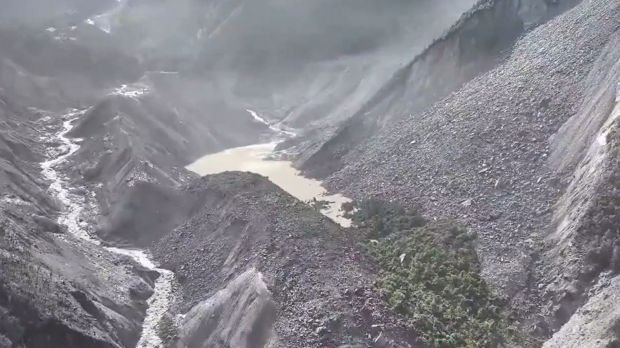
Nepal is facing a severe flash-flood and landslide emergency after a major ice-rock avalanche in the Himalayan region triggered sudden flooding along rivers in the Nepal-China border area. The disaster has caused extensive loss of life, displacement and damage to critical infrastructure. Rescue and relief operations remain underway, with authorities closely monitoring the possibility of further flooding.
Large-scale humanitarian emergency: The disaster has resulted in hundreds of deaths and a large number of people reported missing, while tens of thousands require urgent humanitarian assistance.
Glacial and geological trigger: Initial assessments indicate that an ice-rock avalanche/glacial collapse generated a powerful debris flow and flash flood, highlighting the vulnerability of Himalayan communities to high-altitude hazards.
Infrastructure severely affected: Roads, bridges, settlements and other essential infrastructure have sustained major damage, creating significant challenges for rescue teams and relief-supply delivery.
Government-led response: Nepal has mobilised security personnel and emergency agencies for search, rescue and relief operations. Helicopters and other resources are being used to reach isolated and difficult-to-access areas.
Emergency coordination for foreigners: Nepal’s Ministry of Foreign Affairs has established an Emergency Response Team to coordinate information verification, search-and-rescue assistance and consular support for affected foreign nationals.
International humanitarian support: The UN system and humanitarian organisations are mobilising food, logistics, medical and other emergency assistance in support of Nepal’s government-led response.
Regional preparedness: The disaster has also heightened vigilance in neighbouring Indian states, particularly along river systems that could be affected by downstream floodwaters.
Policy priority: The incident underscores the need for stronger early-warning systems, glacier and glacial-lake monitoring, resilient infrastructure and coordinated cross-border disaster-management mechanisms.
Governance Perspective: The Nepal floods highlight the importance of a whole-of-government disaster-management approach, combining real-time hazard monitoring, early warning, rapid evacuation, resilient infrastructure, inter-agency coordination and regional cooperation to reduce disaster-related risks in the Himalayan ecosystem.