Delhi Strengthens Aviation Coordination for 35 Special Aircraft at BRICS Summit
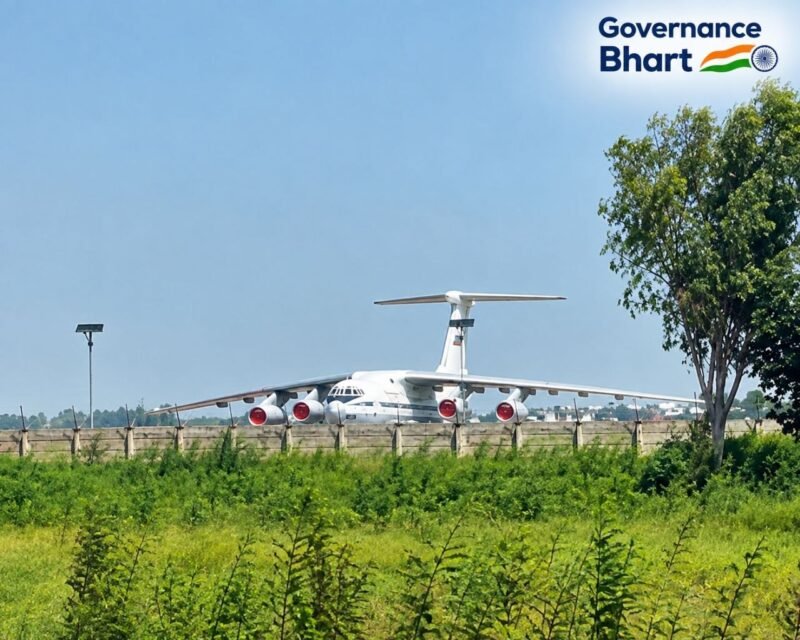
New Delhi has put in place a coordinated air-traffic management framework to handle around 35 special aircraft expected for the 18th BRICS Summit, while maintaining the continuity of regular commercial flight operations. The high-level arrangements are aimed at ensuring the safe and orderly movement of visiting heads of state, senior delegations and charter aircraft.
A multi-airport strategy is being used to distribute the additional aviation load. Besides Indira Gandhi International Airport, authorities are utilising facilities at Palam and Noida for special and support aircraft, reducing pressure on a single aviation hub.
Special airspace restrictions and security protocols have also been introduced during the summit period. Restrictions apply to several categories of non-scheduled flying activity, while scheduled commercial services are permitted to continue. The measures are designed to provide secure corridors for VIP movements and minimise disruption to routine aviation operations.
Airport authorities have simultaneously strengthened infrastructure management. Pier C at Terminal 3 has been repurposed in phases to support international operations and accommodate the increased movement associated with the summit. This approach enhances passenger-handling capacity while allowing international delegations to be managed efficiently.
The arrangements are supported by close coordination among Air Traffic Control, airport operators, security agencies and civil aviation authorities. Enhanced surveillance and controlled airspace procedures are being used to balance national security requirements with operational efficiency.
Delhi’s BRICS aviation plan demonstrates how integrated planning, multi-airport coordination and real-time traffic management can support a major international diplomatic event without completely interrupting normal air connectivity.