UP Launches Verification Drive for 50,000+ Ration Cards; Ineligible Beneficiaries Face Deletion
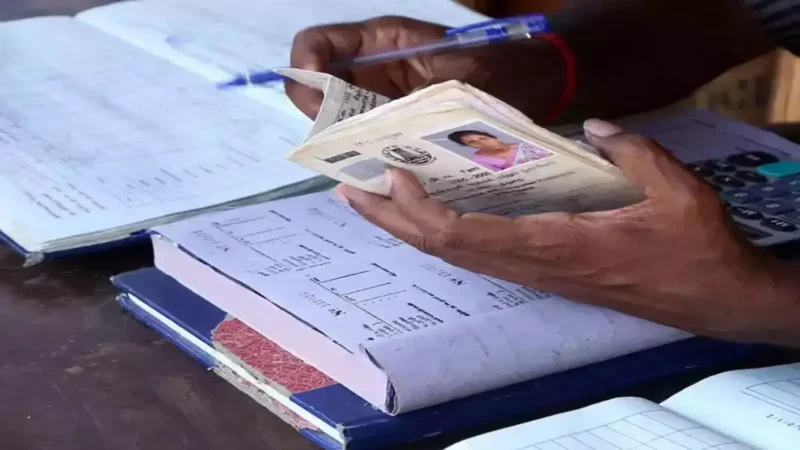
The Uttar Pradesh government has intensified scrutiny of its Public Distribution System launching a verification exercise covering more than 50,000 suspected and potentially ineligible ration cards in Gorakhpur district. The initiative aims to identify beneficiaries who do not meet eligibility criteria and ensure that subsidised food grains reach genuinely deserving households.
The District Supply Department will examine records of beneficiaries who have reportedly purchased four-wheelers, tractors, land or houses through bank loans as well as families whose financial circumstances have improved. Income-tax payers and households exceeding prescribed income limits will also come under scrutiny.
Under the reported eligibility criteria, families earning more than ₹2 lakh annually in rural areas and ₹3 lakh in urban areas are considered ineligible. Other exclusion parameters include ownership of an air conditioner ,a large generator, a plot or flat exceeding 100 square metres, government employment in the family and possession of more than one licensed firearm.
Digital Verification and Administrative Action
The verification exercise uses government-provided databases and Aadhaar-linked records to identify potentially ineligible beneficiaries. Officials will undertake physical or documentary verification before taking action against flagged ration cards. The exercise is expected to be completed during November 2026.
According to District Supply Officer Ajay Pratap Singh more than one lakh ration cards have already been cancelled in Gorakhpur over recent years after beneficiaries were found ineligible. Eligible households are being accommodated in place of those removed from the list.
Governance Impact
The exercise reflects a technology-driven approach to improving welfare delivery, reducing beneficiary duplication and preventing the diversion of subsidised food grains. However, proper verification remains essential to ensure that genuine low-income households are not excluded merely because their financial transactions trigger automated alerts.
The broader objective is to strengthen the targeting of food security benefits and improve accountability in public expenditure.