COP31 Climate Summit Collapses Over Fossil Fuel Phase-Out exposing Deepening Global Policy Divide
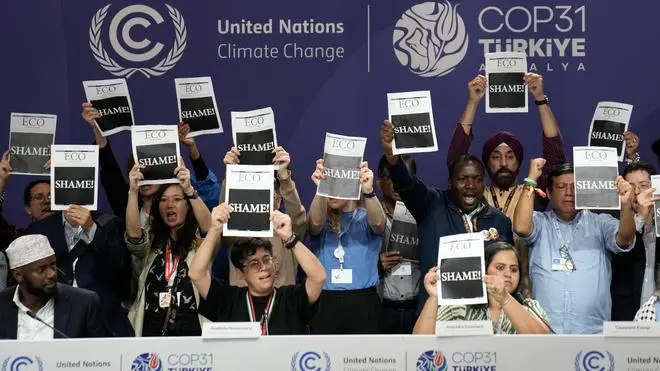
The 31st United Nations Climate Change Conference concluded in Antalya, Türkiye on November 22, 2026 without an overarching climate agreement, after the European Union and several other countries rejected the proposed Antalya Pact over its failure to include an explicit commitment to transition away from fossil fuels. The breakdown highlights growing divisions among nations over climate responsibilities, energy security and financial support for developing economies.
The proposed agreement, presented under the joint presidencies of Türkiye and Australia, faced strong opposition because its final draft omitted any direct reference to phasing out coal, oil and natural gas. The EU, United Kingdom, Norway, Panama and several vulnerable developing countries argued that an agreement without fossil fuel commitments would undermine global climate objectives. More than 130 countries had previously called for a clear transition away from fossil fuels.
Negotiations also remained deadlocked over climate finance, adaptation funding and the role of carbon capture and storage technologies. Developing countries sought stronger financial commitments from wealthier economies to address climate-related losses and strengthen resilience against extreme weather events.
The summit extended two days beyond its scheduled conclusion, becoming the longest COP conference on record. COP31 President Murat Kurum acknowledged the absence of consensus while UN Secretary-General António Guterres expressed deep disappointment over the failure to secure a common outcome.
Policy Implications and Global Impact
The collapse exposes the limitations of consensus-based international climate negotiations and highlights the widening gap between climate commitments and implementation. The absence of an agreement could weaken coordinated efforts to accelerate clean-energy transitions, mobilise climate finance and strengthen developing countries’ climate resilience. It also places greater pressure on future negotiations to reconcile energy security, economic development and emission-reduction targets.
The failure marks the first time since the 2009 Copenhagen climate summit that UN climate negotiations have ended without an overarching agreement.