
Gulf Oil Exports Cross 24 Million Barrels a Day Despite US-Iran War, Exposing Resilience of Global Energy Routes
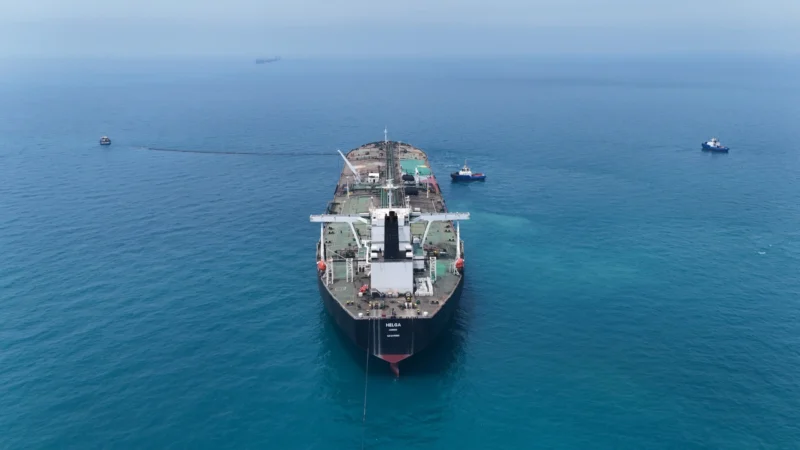
Global energy supply chains are adapting to geopolitical conflict as Gulf oil exports surpass pre-war levels, but rising security and transportation costs continue to threaten market stability.
Oil exports from the Persian Gulf have climbed above pre-war levels despite the ongoing US-Iran war and escalating attacks on shipping around the Strait of Hormuz. According to ship-tracking firm Kpler, oil flows from the Middle East, including shipments through Hormuz and alternative regional routes, averaged more than 24 million barrels per day in the week ending October 18, exceeding the pre-war level of approximately 23.3 million barrels per day.
The recovery highlights the ability of energy producers, shipping companies and governments to adapt to severe geopolitical disruptions. US naval protection, alternative export routes and changes in tanker operations have helped maintain the movement of crude oil despite persistent security threats.
Strategic Shift in Energy Transportation
The Strait of Hormuz remains a critical global energy chokepoint. However, the growing use of alternative pipelines and export facilities in Saudi Arabia and the United Arab Emirates has reduced dependence on the strait. Approximately 40% of Gulf oil shipments reportedly bypassed Hormuz in September, compared with 17% before the war.
Despite the recovery in overall exports, the situation remains fragile. Around 14 million barrels per day moved through Hormuz and associated offshore transfer routes during the week ending October 18, representing approximately 82% of pre-war levels. Attacks on vessels, higher insurance premiums and elevated freight costs continue to increase the risks of transporting oil.
Impact on India and the Global Economy
For India, which relies heavily on imported crude oil, sustained Gulf exports are important for energy security, refinery operations and economic stability. However, higher shipping costs and renewed conflict could increase import expenses, intensify inflationary pressures and complicate fuel-price management.
The latest developments demonstrate that supply-chain resilience can reduce the immediate impact of geopolitical crises but cannot eliminate underlying risks. Diversifying import sources, strengthening strategic petroleum reserves and expanding alternative supply arrangements remain important policy priorities for India.
Policy Perspective
The recovery in Gulf oil flows reflects the growing importance of diversified energy infrastructure and coordinated maritime security. Nevertheless, export volumes alone cannot guarantee stable energy markets. Long-term stability will depend on the security of shipping routes, affordable transportation and sustained diplomatic efforts to prevent further escalation.