J&K Revives Annual Darbar Move: Government Offices to Shift from Srinagar to Jammu for Winter
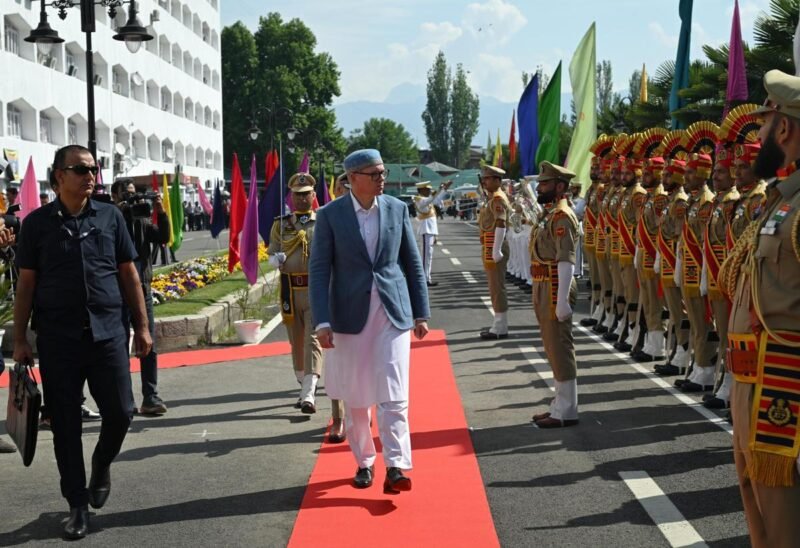
The Jammu and Kashmir government has announced the annual Darbar Move from Srinagar to Jammu for the winter season of 2026–27, continuing the region’s long-standing administrative tradition of operating from two capitals according to seasonal conditions. Government offices following a five-day workweek will close in Srinagar on October 30, while those following a six-day workweek will close on October 31. Offices are scheduled to reopen in Jammu on November 2.
The Darbar Move involves the seasonal relocation of the Civil Secretariat and designated government departments from Srinagar, the summer capital, to Jammu, the winter capital. The approximately 150-year-old tradition was discontinued in 2021 amid concerns over the expenditure involved but was subsequently revived to maintain administrative accessibility across the Union Territory’s two principal regions.
Administrative Arrangements
The government has outlined arrangements for the movement of employees, transportation and essential administrative services. Eligible employees undertaking the move will receive a fixed travel allowance of ₹25,000. The Jammu and Kashmir Road Transport Corporation will provide transportation facilities while security escorts, vehicle-recovery support and medical assistance will help facilitate the transition.
A Winter Secretariat will continue functioning in Srinagar to maintain administrative continuity. This arrangement is intended to ensure that essential government services remain accessible in the Kashmir Valley even after the main administrative offices relocate to Jammu.
Governance and Economic Impact
The Darbar Move has administrative, economic and regional significance. The seasonal relocation supports local economic activity in Jammu through employee spending on accommodation, transport and other services. It also reflects the government’s effort to maintain institutional engagement with both Jammu and Kashmir.
However, the arrangement involves recurring public expenditure, logistical challenges and potential disruptions to administrative operations. Strengthening digital governance, electronic file management and online public services could reduce these costs while ensuring uninterrupted service delivery.
Policy Perspective
The annual Darbar Move represents an effort to balance regional accessibility with administrative continuity. Its long-term effectiveness will depend on transparent expenditure management, measurable improvements in public service delivery and the integration of digital systems that allow government departments to function efficiently across both regions.