Trump Signs Russia Sanctions Law, Expanding U.S. Tariff Powers and Raising Pressure on India
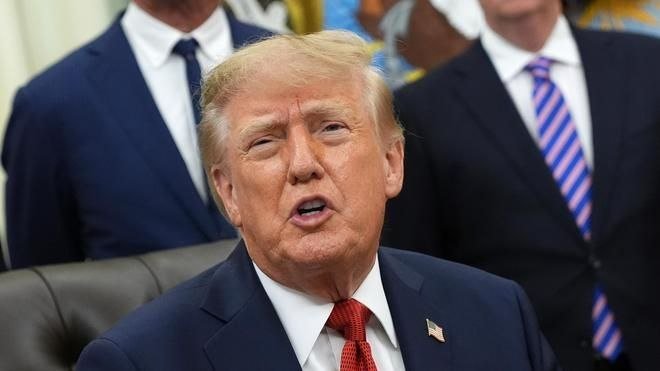
U.S. President Donald Trump has signed the Lindsey O. Graham Sanctioning Russia and Iran Act of 2026 into law, significantly expanding Washington’s economic toolkit against Russia amid the continuing Russia-Ukraine conflict. The legislation targets Russia’s energy and defence sectors, banks and its so-called “shadow fleet” of oil tankers used to circumvent existing sanctions.
A key provision gives the U.S. President authority to impose tariffs of up to 100% on major buyers of Russian oil and natural gas. The measure does not automatically impose a 100% tariff on India; any such action would depend on a future decision by the U.S. administration.
India Impact
The legislation creates a new layer of uncertainty for India because Russian crude remains an important component of its energy-import strategy. Potential U.S. tariff action could affect Indian exporters’ access to the American market while also influencing crude procurement decisions, refining economics and broader trade negotiations.
For India, the policy challenge is therefore two-fold: protecting energy security and competitive import costs while managing exposure to potential secondary trade measures from major partners. New Delhi has already indicated that it will continue to protect its trade and economic interests.
Policy Significance
The law marks a shift from sanctions directed primarily at Russia toward a framework that can also exert economic pressure on countries maintaining significant energy trade with Moscow. Its implementation could therefore have consequences beyond U.S.-Russia relations, particularly for global energy markets and international trade flows.
For India, the next phase will depend on how Washington exercises these newly expanded powers, making diplomatic engagement, energy-source diversification and trade-risk management increasingly important policy considerations.