
India Bans Lithium-Ion Battery Waste Exports to Secure Critical Minerals and Strengthen Domestic Recycling
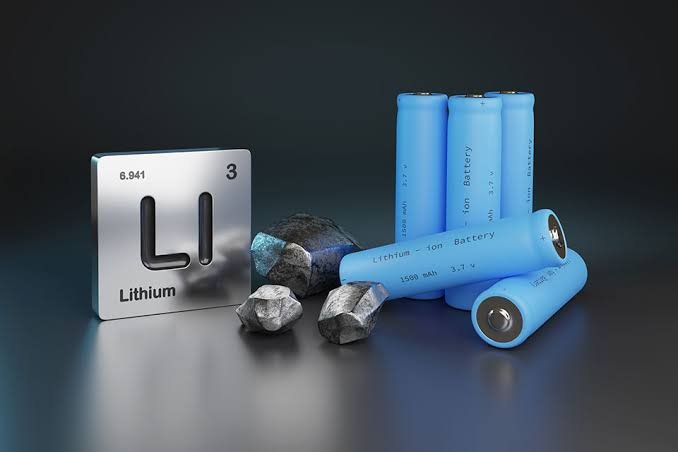
The Centre has prohibited the export of unsorted lithium-ion battery waste and scrap, including battery black mass with immediate effect, marking a significant policy intervention to strengthen India’s domestic critical mineral supply chain and recycling ecosystem.
The Directorate General of Foreign Trade under the Ministry of Commerce and Industry, issued Notification No. 49/2026-27 on November 10, 2026 amending the export policy for products classified under ITC Code 85491400 from ‘Free’ to ‘Prohibited’. The restriction will remain effective until further orders subject to transitional provisions under the Foreign Trade Policy, 2023.
Black mass is a powder-like material generated through the shredding of end-of-life lithium-ion batteries and battery manufacturing waste. It contains recoverable critical minerals, including lithium, cobalt, nickel and manganese which are essential for electric vehicles, battery manufacturing, energy storage systems, electronics and renewable energy technologies.
Domestic Manufacturing and Supply Chain Impact
The decision aims to ensure that valuable battery waste generated in India is processed and refined domestically rather than exported for overseas recovery. The government has identified inadequate feedstock availability as a major constraint affecting the utilisation of India’s growing battery recycling and mineral refining capacity. Domestic recyclers have also faced situations requiring imports of black mass to meet processing requirements.
By retaining this resource within the country, the policy is expected to improve recycling capacity utilisation, attract investment, generate employment and increase the domestic recovery of strategic minerals. It will also help reduce import dependence and foreign exchange outflows.
The measure complements the National Critical Mineral Mission and the government’s ₹1,500 crore incentive scheme for critical mineral recycling approved in September 2025. It reinforces India’s circular economy ambitions by converting battery waste into valuable industrial resources, supporting Aatmanirbhar Bharat and strengthening long-term supply chain resilience for the clean-energy and electric mobility sectors.