
Aadhaar Verification Made Mandatory for PM CARES Scholarships, Alternative Safeguards Protect Children’s Benefits
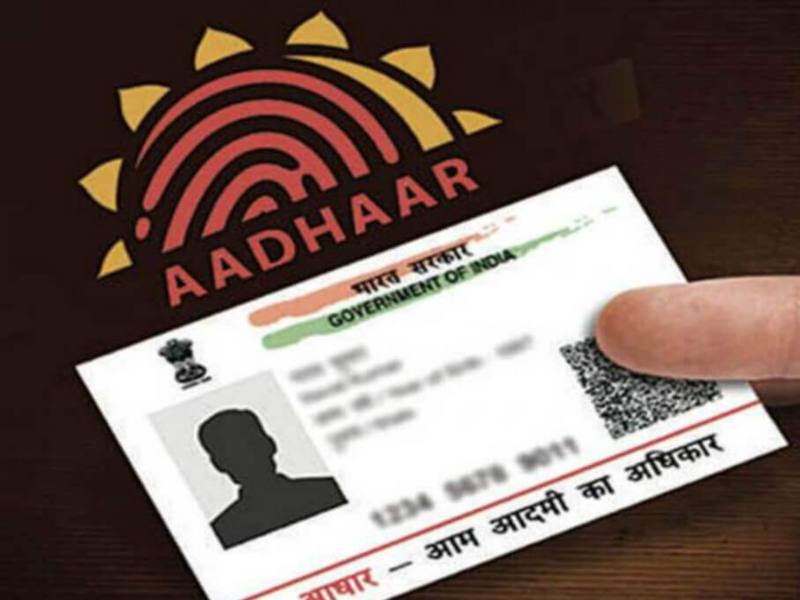
The Centre has mandated Aadhaar authentication or proof of possession of an Aadhaar number for beneficiaries seeking educational assistance under the PM CARES for Children Scheme. The Ministry of Social Justice and Empowerment issued the notification on 14 October 2026 under Section 7 of the Aadhaar Act, 2016, establishing identity verification as a condition for receiving scholarship benefits.
The Special Scholarship Scheme supports beneficiaries in continuing their education from Class 1 to Class 12. The revised framework seeks to strengthen beneficiary identification, improve administrative transparency and reduce errors that can disrupt the delivery of government assistance.
Governance and Implementation Framework
The notification provides for Aadhaar enrolment where a beneficiary has not yet been assigned a number. For children below 18, enrolment must be undertaken with the consent of a parent or legal guardian. The government is also required to facilitate enrolment or updates to Aadhaar details through appropriate measures, including coordination with enrolment registrars and the provision of accessible enrolment facilities.
Importantly, the rules include safeguards against exclusion. No child can be denied assistance solely because Aadhaar authentication fails or an Aadhaar number has not been assigned. Alternative identity-verification procedures are prescribed for such cases.
For children without Aadhaar, the prescribed documents include an enrolment acknowledgement containing the Enrolment ID, proof of age and documents establishing the relationship with a parent or legal guardian. Depending on eligibility and circumstances, these may include a birth certificate, passport, recognised school board certificate or other specified records. Separate provisions apply to beneficiaries aged 18 and above. Alternative authentication methods, including biometric or one-time password verification, may be used wherever feasible.
Policy Impact
The measure reinforces the Centre’s focus on strengthening identity verification in publicly funded welfare programmes. More reliable beneficiary records can help reduce discrepancies, improve administrative monitoring and support timely delivery of educational assistance. However, effective implementation will depend on accessible enrolment facilities, accurate records and efficient alternative verification, particularly for children facing documentation challenges.
The explicit protection against denial of benefits is significant. It establishes that Aadhaar verification must support the delivery of assistance rather than become an unintended barrier to education. For implementing authorities, the priority will be to balance accountability and transparency with the scheme’s core objective of ensuring continuity of education for vulnerable children.