Uttar Pradesh Clears ₹1,947-Crore PM MITRA Textile Park, Targets One Lakh Jobs Through Industrial Expansion
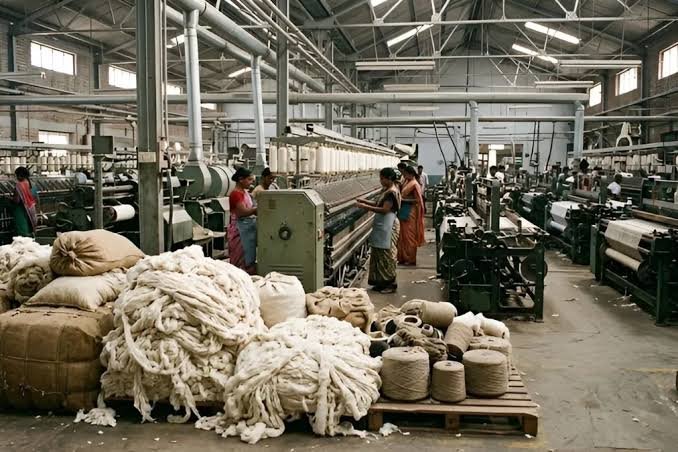
Uttar Pradesh has approved the selection of Ramky Infrastructure Limited as the preferred bidder to develop the PM MITRA Mega Textile Park across 1,000 acres along the Lucknow–Hardoi corridor. The project, estimated to cost ₹1,947 crore, is expected to attract domestic and international investment and generate approximately one lakh direct and indirect employment opportunities. The approval marks a significant step towards strengthening the state’s textile manufacturing, garmenting and export ecosystem.
Project Structure and Implementation
The Uttar Pradesh Cabinet, chaired by Chief Minister Yogi Adityanath, approved the developer-selection proposal on October 27, 2026. The park will be developed under the Centre’s PM MITRA scheme through a public-private partnership model, following the Design, Build, Finance, Operate and Transfer framework. The project will have a five-year construction period within a total concession period of 50 years.
Implementation will be undertaken through PM MITRA Park Uttar Pradesh Limited, a special purpose vehicle jointly owned by the state and central governments. Uttar Pradesh holds a 51% stake while the Centre holds 49%. The state has provided 1,000 acres on a 99-year lease at a nominal annual rate of ₹1 per acre. Central assistance may cover up to 30% of the project cost, subject to a maximum of ₹500 crore.
Infrastructure and Industrial Ecosystem
The proposed park will feature ready-to-use factory sheds, internal roads, electricity distribution networks, an incubation centre, a common boiler facility, warehousing infrastructure and a logistics hub. Worker housing, hostels, healthcare facilities and skill-development institutions are also planned. A common effluent treatment plant based on zero-liquid-discharge norms will support industrial wastewater treatment and recycling.
Economic and Governance Impact
The project is designed to integrate textile production, garment manufacturing, skilled employment and export-oriented industrial activity within a single industrial ecosystem. For Uttar Pradesh, the park could strengthen supply-chain efficiency, improve opportunities for MSMEs and textile entrepreneurs and expand participation in domestic and international markets. Its long-term impact will depend on timely infrastructure delivery, investor mobilisation, factory occupancy and the creation of sustainable employment opportunities.