Ghaziabad Accelerates EV Infrastructure with First PPP Charging Station
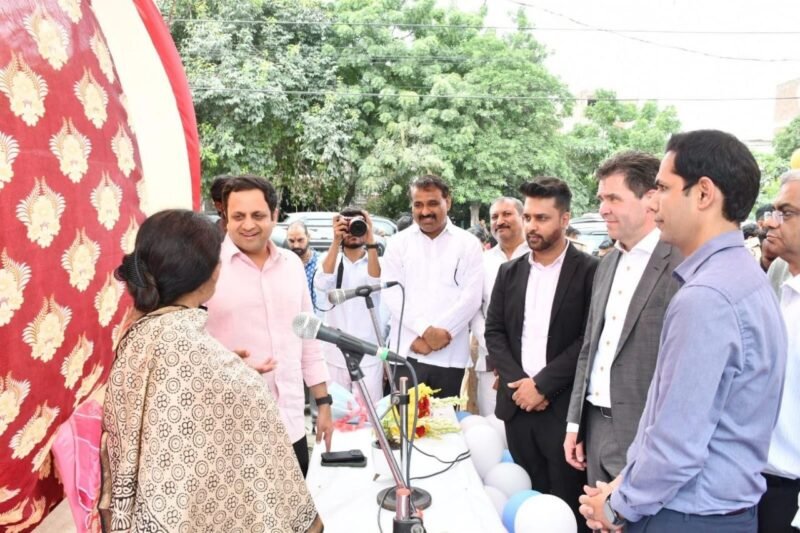
Ghaziabad has taken a significant step towards strengthening its electric mobility infrastructure with the inauguration of its first EV charging station under a Public-Private Partnership (PPP) model. The initiative brings together Statiq, GLIDA and the Ghaziabad civic administration creating a collaborative framework for expanding charging infrastructure across the city.
The move comes against the backdrop of rising electric-vehicle adoption and growing pressure on urban authorities to address vehicular emissions. The PPP approach is intended to combine public-sector support and private-sector charging expertise while creating a scalable model for wider deployment.
The initiative is particularly relevant for Ghaziabad because of its position within the Delhi-NCR mobility network. Reliable public charging infrastructure can help address range-related concerns for EV users travelling within the city as well as across the NCR. GLIDA and Statiq already operate charging infrastructure in the region, including high-capacity DC charging facilities.
The Ghaziabad civic body is also looking at a broader expansion of the network with plans reported for 100 EV charging stations under the PPP framework.
Why It Matters
The first PPP station represents more than an individual charging point: it establishes an institutional model for urban EV infrastructure. If scaled effectively such partnerships can accelerate deployment without placing the entire investment and operational burden on municipal authorities.
For Ghaziabad, the expansion of charging infrastructure can support cleaner urban mobility, strengthen EV adoption and align local transport planning with the broader transition towards low-emission mobility in the Delhi-NCR region.