UP Transport Department Tightens Road Safety Enforcement with Operation Kavach; 52 Services Go Faceless
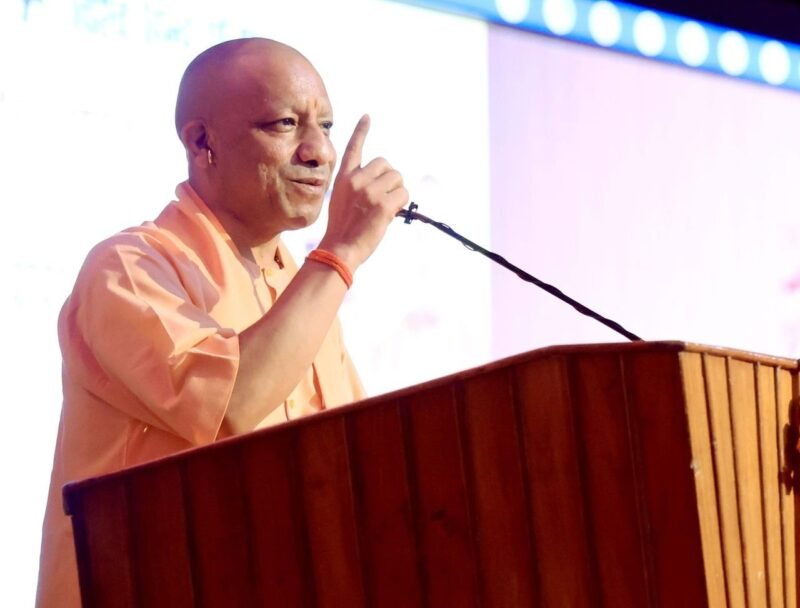
Uttar Pradesh is strengthening road safety enforcement while accelerating digital transformation in transport services, with the state showcasing key reforms at the fourth Uttar Pradesh International Trade Show (UPITS) in Greater Noida. The Transport Department has announced a statewide Operation Kavach from September 28 to 30 against unauthorised buses, placing greater emphasis on regulatory compliance and passenger safety.
Additional Chief Secretary, Transport Amrit Abhijat said the special enforcement campaign is aimed at improving compliance with transport regulations and strengthening road safety across Uttar Pradesh. The initiative comes alongside renewed emphasis on responsible driving, including controlled speeds, helmet and seat-belt use, avoiding drunk driving and preventing mobile-phone use while driving.
The department has also linked transport regulation with the environmental challenge in the National Capital Region (NCR). Vehicle owners have been urged to take End-of-Life (EoL) vehicles to authorised scrapping centres, while owners of BS-I to BS-IV vehicles have been encouraged to apply through the Parivartan Portal.
A major governance reform highlighted at UPITS is the expansion of digital citizen services. The department stated that 52 services have been made faceless while 40 services operate through auto-approval mode, reducing dependence on physical interactions and streamlining service delivery. Modern driving-licence technologies and simulators are also being demonstrated to visitors, particularly young people.
Impact
The combined approach reflects a shift from conventional transport administration towards enforcement, technology and citizen-centric service delivery. Operation Kavach strengthens oversight of passenger transport, while faceless and auto-approved services can improve transparency and reduce procedural delays. At the same time, vehicle scrapping and emission-related interventions connect transport governance with air-quality management, particularly in the NCR. Together, these measures place road safety, regulatory compliance, digital convenience and environmental responsibility within a broader framework of modern transport governance.