Railways to Build ₹1,000-Crore Dedicated Coal Transportation Network for Buxar Thermal Power Plant, Strengthening Energy Logistics in Bihar
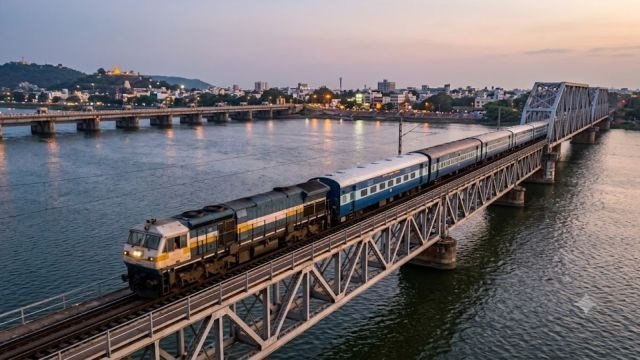
Indian Railways is set to develop a dedicated railway infrastructure network worth approximately ₹1,000 crore to ensure efficient and uninterrupted coal transportation to the Chausa Thermal Power Plant in Bihar’s Buxar district. The project represents a significant infrastructure intervention aimed at strengthening fuel logistics, improving freight movement and supporting the country’s energy security requirements.
The project will include the development of a six-line crossing station at Pavni-Kamarpur, located between Buxar and Chausa. The existing Intermediate Block Post will be upgraded into a full-fledged railway station with three platforms, railway loops, technical sidings and additional operational infrastructure. A dedicated Rail-over-Rail flyover will also be constructed to facilitate coal-laden freight trains through a separate route, reducing pressure on the existing Buxar–Deen Dayal Upadhyaya railway section.
Additional infrastructure works will include extending the Up platform at Chausa railway station by approximately 300 metres, constructing underpasses and road crossings and strengthening more than a dozen existing bridges. These interventions are expected to improve freight handling capacity while minimising disruptions to passenger train operations.
Strategic Infrastructure & Economic Impact
The project will strengthen the logistics backbone of the 1,320 MW Buxar Thermal Power Project, developed by SJVN Thermal Private Limited . The entire railway infrastructure project cost, including land acquisition will be borne by STPL. The engineering plans have received technical and administrative approval from the Danapur Railway Division and STPL.
The dedicated coal transportation corridor will improve supply-chain reliability, reduce freight congestion and support uninterrupted electricity generation. It will also strengthen railway connectivity in Bihar, enhance infrastructure utilisation and create a more efficient transportation framework for the region’s growing energy requirements.
Governance Perspective: The initiative reflects the strategic integration of railway infrastructure with power generation, positioning dedicated freight connectivity as a critical instrument for energy security and infrastructure-led economic growth.