
India’s 18 Biosphere Reserves Strengthen Biodiversity Conservation and Sustainable Development Framework
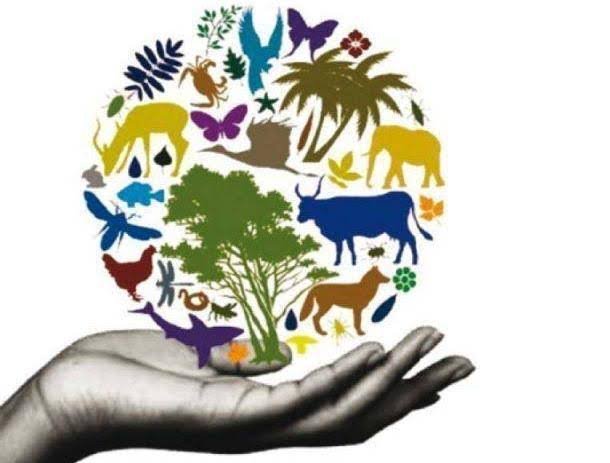
India’s network of 18 notified Biosphere Reserves represents a significant pillar of the country’s environmental governance and biodiversity conservation strategy. Extending across the Himalayan mountains, tropical forests, coastal ecosystems, wetlands and arid landscapes, these reserves play a critical role in protecting ecological diversity while promoting sustainable development and community-based livelihoods.
Of the 18 Biosphere Reserves in India, 13 have been recognised under UNESCO’s World Network of Biosphere Reserves , strengthening India’s international contribution to biodiversity protection.
India’s 18 Biosphere Reserves
The country’s 18 Biosphere Reserves are Nilgiri, Nanda Devi, Nokrek, Gulf of Mannar, Sundarbans, Manas, Great Nicobar, Similipal, Dibru-Saikhowa, Dehang-Dibang, Pachmarhi, Khangchendzonga, Agasthyamalai, Achanakmar-Amarkantak, Great Rann of Kutch, Cold Desert, Seshachalam Hills and Panna.
Three-Zone Conservation Framework
The Biosphere Reserve model operates through three interconnected zones: Core, Buffer and Transition. The Core Zone ensures strict biodiversity protection, the Buffer Zone supports research and regulated activities, while the Transition Zone facilitates sustainable economic activities and community participation.
This framework integrates environmental protection with scientific research, traditional knowledge, eco-tourism and sustainable resource management.
Strategic Importance for India’s Environmental Governance
Biosphere Reserves contribute significantly to climate resilience, water security, forest conservation and the protection of endangered species. They also support local communities by encouraging sustainable livelihoods and environmentally responsible economic activities.
The recognition of Cold Desert Biosphere Reserve by UNESCO in 2025 further strengthened India’s position in the global biodiversity conservation network.
Policy Outlook
India’s Biosphere Reserve framework is increasingly important in achieving long-term environmental sustainability and climate commitments. Strengthening scientific monitoring, community-led conservation, ecological restoration and sustainable tourism will be essential to protecting these ecosystems.
The International Day for Biosphere Reserves, observed on November 3, highlights the importance of integrating biodiversity conservation with sustainable development. For India, these reserves represent not merely protected landscapes but a strategic investment in ecological security, climate resilience and intergenerational sustainability.