Coal Costs Jump 50% in Two Months: Paper Industry Seeks PM’s Intervention to Prevent Production Disruptions
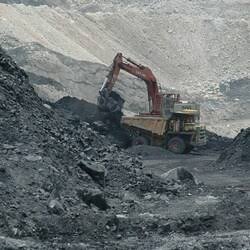
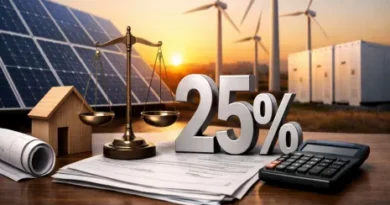
The Indian Paper Manufacturers Association has sought urgent intervention from Prime Minister Narendra Modi as a sharp rise in coal costs and irregular railway rake availability put pressure on paper mill operations across India. The association has warned that coal prices have increased by more than 50% in just two months, making production commercially unviable for some mills.
In its representation to the Prime Minister, IPMA has requested priority coal allocation and adequate railway rakes for captive power plants serving the pulp and paper industry on a par with thermal power plants. It has also sought regular supplies of at least 75% of the coal quantities covered under Fuel Supply Agreements (FSAs) or coal linkages.
Rising Energy Costs Threaten Industrial Competitiveness
Energy accounts for approximately 15–20% of the total cost of paper production, making coal availability and pricing critical to the industry’s operational stability. The recent cost surge is increasing manufacturing expenses at a time when domestic paper and paperboard producers are facing intense competition from imports.
IPMA President Pawan Agarwal has emphasised that uninterrupted supplies of coal are essential to maintain the steam and electricity required for paper manufacturing. He has also highlighted the limited ability of domestic manufacturers to pass higher fuel costs on to customers without losing market competitiveness.
Governance and Economic Impact
The situation highlights the importance of coordinated coal allocation, railway logistics and industrial energy security. If supply constraints persist, production interruptions could affect the availability and cost of paper, paperboard and packaging materials used by publishing, education, e-commerce and consumer-goods industries.
A timely policy response could help stabilise industrial operations, protect domestic manufacturing capacity and strengthen supply-chain resilience. The industry’s immediate priorities are dependable coal deliveries, improved railway rake availability and a predictable fuel-supply framework.