Swachhata Campaign 6.0: Centre Pushes Clean Governance Through Office Transformation and Waste Reduction
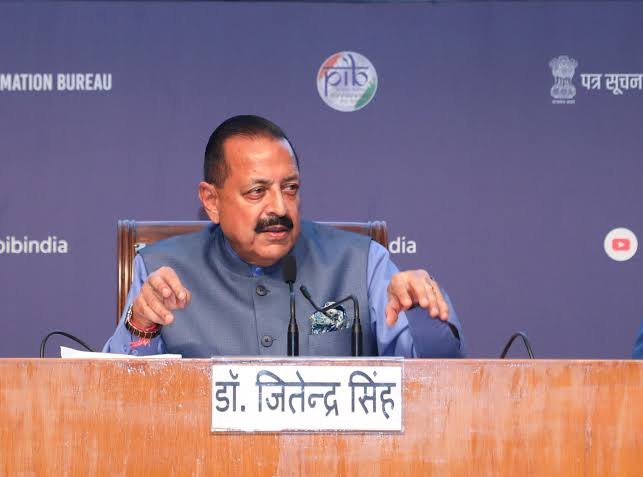
India’s Swachhata Campaign 6.0 is strengthening the link between cleanliness, administrative efficiency and accountable governance. Launched as part of the government’s broader administrative reform agenda, the campaign focuses on improving workplace cleanliness, clearing pending public grievances, reviewing obsolete records and ensuring the productive use of government office space.
Campaign Period: October 2–31, 2026.
Nodal Department: Department of Administrative Reforms and Public Grievances (DARPG).
Cleanliness Sites: 8,34,509 sites covered as of October 19, 2026, approximately three times the corresponding figure during Campaign 5.0.
Revenue Generation: ₹491.28 crore earned through scrap disposal during the first 17 days.
Space Utilisation: 116 lakh square feet of space freed as of October 19, 2026.
Priority Areas: Disposal of obsolete files, e-waste management, grievance redressal, reduction of pending references and improved utilisation of government premises.
Governance Impact
Swachhata Campaign 6.0 goes beyond routine cleanliness drives by integrating workplace management with measurable administrative outcomes. The removal of redundant records and scrap can release valuable office space while systematic reviews of pending references and public grievances can improve institutional responsiveness. Responsible waste disposal also supports environmental sustainability and resource recovery.
The campaign’s long-term effectiveness will depend on whether government departments sustain these improvements beyond the designated campaign period. Regular monitoring, transparent reporting and clear departmental accountability will be essential to ensure that cleanliness translates into lasting administrative efficiency.
Governance Bharat Analysis
Swachhata Campaign 6.0 positions cleanliness as an instrument of governance reform, resource optimisation and citizen-centric administration. Its significance lies in moving government offices towards a more organised, accountable and efficient working environment, where improved public service delivery remains the ultimate measure of success.