India–EU Race to Finalise FTA Ahead of December Deadline, PM Modi’s Brussels Visit May Seal Landmark Trade Pact
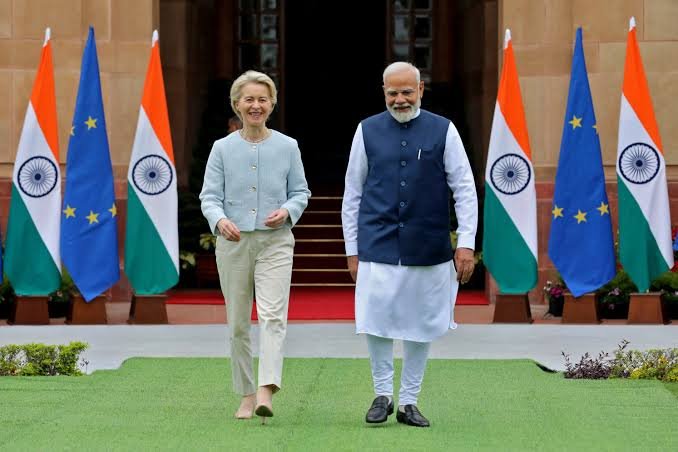
India and the European Union are accelerating efforts to finalise the remaining approval procedures for their Free Trade Agreement (FTA), with both sides targeting a December signing that could coincide with Prime Minister Narendra Modi’s expected visit to Brussels around December 17–18. The proposed timeline remains tentative and is subject to official confirmation. The agreement’s negotiations were concluded at the political level on January 27, 2026, marking a major milestone in bilateral economic relations.
Fast-Track Approval to Avoid Delays
The European Commission has proposed an accelerated approval procedure for the agreement through the Council of the European Union. The proposal seeks to avoid delays associated with translating the agreement into all 24 official EU languages by proceeding with its original English text, subject to the applicable approval process.
Commerce Secretary Rajesh Agrawal is expected to visit Brussels to address procedural issues, following Commerce and Industry Minister Piyush Goyal’s engagements in Germany and the Netherlands. The discussions reflect efforts to maintain momentum towards the year-end deadline.
Trade, Investment and Market Access
The proposed FTA connects India with the European Union’s 27-member market. According to the European Commission, bilateral trade in goods reached €118 billion in 2025, while trade in services amounted to €67 billion.
The agreement is intended to improve market access, reduce tariffs and address unnecessary trade barriers. Indian exporters in textiles, chemicals, machinery, metals and petroleum products could gain opportunities to expand their European presence. European industrial exporters may also benefit from improved access to India’s expanding market.
Governance and Economic Impact
For India, the agreement could support export diversification, manufacturing competitiveness, investment inflows and stronger integration into global supply chains. However, the gains will depend on the final terms, implementation arrangements and businesses’ ability to meet European quality, sustainability and regulatory requirements.
The deal is also expected to strengthen India–EU economic cooperation amid geopolitical uncertainty and changing global trade patterns. Sensitive domestic sectors and the adjustment pressures facing smaller exporters will remain important considerations.
What Happens Next?
Signing is only the next milestone. The agreement must undergo the required approval and ratification procedures before implementation. Both sides are targeting operationalisation in the first half of 2027, subject to the completion of these steps.
Governance Bharat Analysis: The India–EU FTA represents a strategic opportunity to convert diplomatic engagement into measurable trade and investment outcomes. Its real test will be whether improved market access translates into higher exports, productive investment and sustained opportunities for Indian businesses.