
From Mohan Bhagwat, a Lesson on What Dissent Means for Democracy
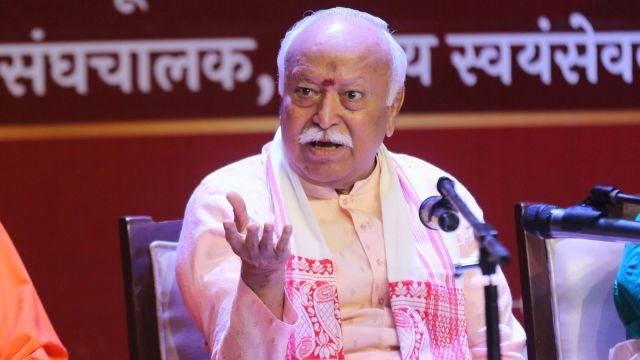
Democracy is not limited to elections, legislatures and formal institutions. It is fundamentally a system in which citizens have the freedom to express their views, question authority and participate in public affairs. The recent message associated with RSS chief Mohan Bhagwat underlines the importance of dissent and public opinion as essential components of a healthy democratic order.
Dissent as a Democratic Value
In a functioning democracy, disagreement should not automatically be treated as opposition to the nation or to democratic institutions. Diverse opinions enable society to examine policies, identify shortcomings and improve governance. Constructive dissent provides policymakers with feedback from citizens and strengthens accountability.
Bhagwat’s broader message can therefore be understood as highlighting the importance of people’s empowerment and participation. Democracy derives its legitimacy not merely from institutional procedures but also from the active involvement of citizens in shaping public discourse.
Beyond Legislatures
Legislatures remain central to representative democracy, but democratic participation extends beyond parliamentary and assembly proceedings. Civil society, community organisations, citizens, media and other public institutions also contribute to democratic debate.
For governance, this means that public consultation and responsiveness should remain integral to policymaking. Government institutions function more effectively when citizens have meaningful avenues to express concerns, offer suggestions and scrutinise decisions.
Strengthening Governance Through Dialogue
A mature democracy requires a balance between governmental authority and citizens’ rights to question and disagree. Respectful dialogue can reduce social tensions, improve policy outcomes and build public trust.
Dissent, when expressed peacefully and constitutionally, can serve as an important mechanism of social accountability. It encourages governments and institutions to reassess policies and remain responsive to changing public needs.
The Way Forward
India’s democratic framework can be strengthened by encouraging wider citizen participation, protecting legitimate spaces for public debate and promoting institutional responsiveness. The objective should not be to eliminate disagreement but to ensure that disagreement remains peaceful, informed and constructive.
Conclusion
The central lesson is that democracy is ultimately sustained by its people. Legislatures and constitutional institutions provide the framework, but citizen participation, public opinion, accountability and the freedom to express dissent give democracy its vitality. A governance system that listens to its citizens and accommodates legitimate differences is better positioned to remain transparent, inclusive and responsive.