
Odisha Moves Supreme Court Against Andhra Pradesh Over Kotia Polls, Seeks Enforcement of Status Quo Order
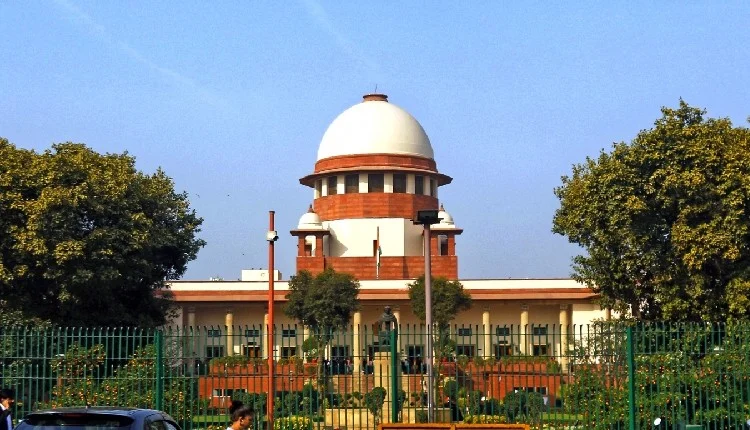
Odisha has approached the Supreme Court against Andhra Pradesh’s decision to conduct local body elections in the disputed Kotia region, escalating a longstanding interstate territorial dispute. The Odisha government has filed a contempt petition, alleging that Andhra Pradesh’s election notification violates the Supreme Court’s directions to maintain the status quo in the area.
Odisha Revenue and Disaster Management Minister Suresh Pujari said the petition was filed through the Koraput district collector after obtaining approval from Chief Minister Mohan Charan Majhi. Andhra Pradesh issued a notification on October 10, 2026, for Zilla Parishad and Panchayat Samiti elections covering the Kotia cluster of villages in Koraput district.
The petition names officials involved in the electoral process, including Andhra Pradesh’s State Election Commissioner, Chief Secretary and the concerned district collector. Odisha has sought judicial intervention to prevent further actions that could intensify the dispute.
Territorial Dispute and Legal Background
The Kotia dispute dates back to 1968, when Odisha approached the Supreme Court over competing territorial claims. The Kotia Gram Panchayat comprises 28 villages, which Odisha maintains fall within its territory. Andhra Pradesh claims jurisdiction over 21 villages in the cluster. In 2006, the two states were directed to maintain the status quo, and the dispute remains unresolved.
The latest confrontation follows a similar episode in 2021, when Andhra Pradesh conducted panchayat elections in the disputed region, prompting Odisha to pursue contempt proceedings in 2022. The latest election notification has renewed concerns over competing administrative and electoral claims.
Governance Impact
The dispute extends beyond electoral administration to questions of territorial jurisdiction, public service delivery and residents’ access to government welfare schemes. The Supreme Court’s consideration of Odisha’s petition could prove significant in determining compliance with existing judicial directions. For both states, protecting residents’ democratic rights while pursuing a lawful resolution remains a key governance priority.
Policy Perspective: The Kotia dispute underscores the importance of constitutional mechanisms, judicial compliance and sustained intergovernmental coordination in resolving interstate boundary conflicts. A legally sustainable settlement is essential to prevent competing administrative claims from disrupting governance at the grassroots level.