
20,000 Hectares Set to Expand NCR’s Urban and Industrial Footprint
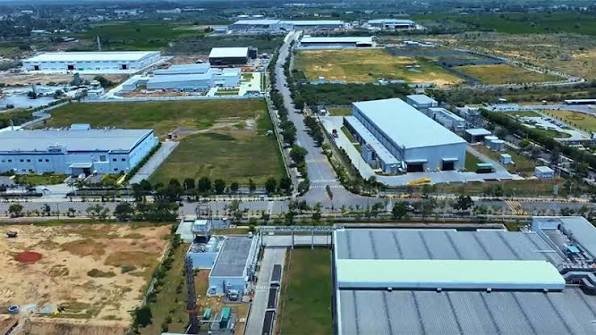
Noida’s proposed expansion under the New Noida development plan signals a major push to accommodate future urbanisation, industrial growth and investment in the National Capital Region (NCR). The proposed development, covering approximately 20,000 hectares are expected to create additional space for planned urban development and economic activities as pressure on existing urban infrastructure continues to rise.
The scale of the proposed expansion makes land-use planning, transport connectivity, industrial infrastructure and sustainable urban development central to the project’s long-term significance.
Key Development Highlights
Expansion area: Approximately 20,000 hectares under the proposed New Noida plan.
Employment target: An estimated 5–6 lakh direct and indirect jobs by 2030.
Industrial focus: Manufacturing, electronics, data infrastructure, logistics and commercial development.
Land acquisition: Expected to proceed in phases with the first phase covering 37 villages across Gautam Buddh Nagar and Bulandshahr.
Industrial Growth and Connectivity
The expansion is designed to strengthen Uttar Pradesh’s industrial ecosystem by creating additional land capacity for businesses and infrastructure. New Noida is associated with the Dadri–Noida–Ghaziabad Investment Region (DNGIR) which is strategically positioned near dedicated freight corridors and proposed multimodal logistics infrastructure. These linkages could improve freight movement, supply-chain efficiency and access to national markets.
The development also comes alongside proposals to strengthen metro connectivity and increase development capacity in existing Noida. Together, these measures could help accommodate rising demand for industrial and commercial space while supporting the wider NCR economy.
Why It Matters for Governance
New Noida represents a significant urban and industrial planning challenge for Uttar Pradesh. Its success will depend on phased land acquisition, transparent compensation, timely infrastructure delivery and coordination between industrial development and transport planning. Managing water supply, sanitation, green spaces and other civic services will also be essential to prevent unplanned urban expansion.
Governance perspective:
The proposed 20,000-hectare expansion could strengthen Uttar Pradesh’s position as a manufacturing and investment destination. However, the projected employment gains and economic benefits will depend on actual investment execution, industrial occupancy and the timely delivery of supporting infrastructure.