UP Approves 1,725 Electric Buses for 18 Cities Under GCC Model
Uttar Pradesh Expands Clean Public Transport Through Private Investment and Performance-Based Operations
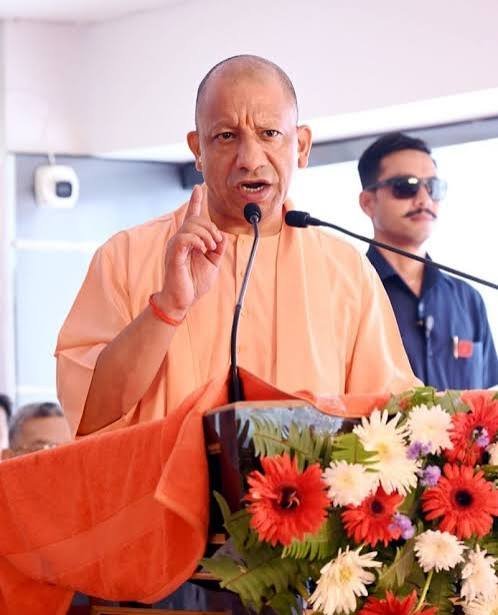
The Uttar Pradesh Cabinet has approved the deployment of 1,725 air-conditioned electric buses across 18 cities under the Gross Cost Contract (GCC) model, marking a significant expansion of the state’s urban mobility infrastructure. The decision, taken at a Cabinet meeting chaired by Chief Minister Yogi Adityanath on October 9, 2026, aims to improve public transport accessibility, reduce vehicular emissions and strengthen operational efficiency.
Major Cities to Receive New Electric Buses
Lucknow and Kanpur will receive 300 buses each, followed by Varanasi with 250 and Gorakhpur with 150. Agra, Ghaziabad, Meerut and Noida, including Jewar, will receive 100 buses each. Ayodhya, Prayagraj and Mathura-Vrindavan will get 50 buses each, while Aligarh, Firozabad, Bareilly, Moradabad, Saharanpur, Shahjahanpur and Jhansi will receive 25 buses each.
The fleet will comprise nine-metre and 12-metre buses to serve different urban transport requirements.
GCC Model Shifts Operational Responsibility
Under the GCC framework, private operators will procure buses, establish charging infrastructure, deploy drivers and technical personnel and manage operations and maintenance under 12-year contracts. Payments will be linked to prescribed performance standards while the state government will retain control over passenger fares.
The policy provides a subsidy of ₹35 lakh for each nine-metre bus and ₹40 lakh for each 12-metre bus. Municipal corporations and the Noida Authority will provide land free of cost for depot construction. The state will also prioritise locally manufactured electric buses under the applicable procurement framework.
Governance Impact:
The initiative combines public-sector oversight with private-sector operational capacity, potentially reducing the government’s direct responsibility for fleet procurement and maintenance. Electric buses can help reduce tailpipe emissions and urban noise while expanding access to air-conditioned public transport.
Preference for buses manufactured in Uttar Pradesh could also support local manufacturing, supply chains and employment. However, the project’s long-term impact will depend on reliable charging infrastructure, service frequency, maintenance standards and effective contract monitoring.
For Uttar Pradesh, the next governance challenge is to convert Cabinet approval into dependable, affordable and environmentally sustainable urban transport services.