
UP Green Hydrogen Policy 2024: State Targets 1 MTPA Capacity to Build a Green Industrial Ecosystem
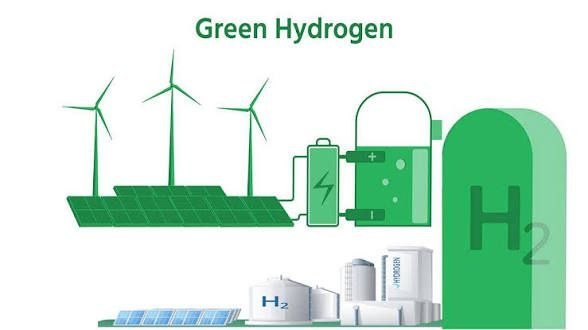
Uttar Pradesh’s Green Hydrogen Policy 2024 positions the state to develop a green hydrogen and green ammonia ecosystem by combining production incentives, renewable-energy support, industrial infrastructure and research. The policy aims to increase green hydrogen/green ammonia production capacity to 1 million metric tonnes per annum by 2028.
Policy Focus
The framework covers the wider green hydrogen value chain, including production, consumption, market creation and hydrogen-based manufacturing. Initial policy emphasis is on nitrogenous fertiliser and refinery industries, where hydrogen already has significant industrial demand. The policy also identifies future applications across chemicals, heavy mobility, energy storage, steel, city gas distribution and glass manufacturing.
Investment Incentives
To reduce the initial cost barrier for green hydrogen projects, Uttar Pradesh provides capital subsidy of up to 30%. The first five projects can receive up to 40% capital subsidy, subject to a combined maximum of ₹225 crore. Private developers can access government land at ₹15,000 per acre per year, while public-sector entities can receive land at ₹1 per acre per year. The policy also provides 100% stamp-duty exemption.
Power & Infrastructure Support
Projects are eligible for 100% exemption from electricity duty and specified intra-state wheeling, transmission and cross-subsidy surcharges for up to 10 years or the project life, whichever is earlier. Monthly power-banking facilities are available for up to 25 years or the project life. The government also plans to facilitate land banks, water-resource identification and transmission infrastructure for projects.
Why It Matters
The policy seeks to move Uttar Pradesh beyond renewable-energy generation towards green industrialisation, linking clean power with fertiliser, refinery and emerging manufacturing demand. It also provides for four Centres of Excellence for research, development and technological innovation, supporting efforts to improve technology and reduce production costs.
Policy Impact: The key implementation test will be converting the policy’s production target and investment incentives into commercially viable projects, supporting infrastructure and sustained industrial demand by 2028.